

The Birth of Secrets
In a cold room in Moscow, back in 1917, a group of people started something big. They called it the Cheka. It was like a super-secret club, but not the fun kind. The Cheka watched everything people did. ️
Ivan Petrov was a young man who worked for the Cheka. He wore a long black coat and walked through the snowy streets of Moscow. His job was to listen and watch. He wrote down everything he saw in a little black book.
“We must keep our country safe,” his boss would say. Ivan nodded, but sometimes he wondered if watching people all the time was really the right thing to do.
A New Name for a New Time
Many years later, in 1954, things changed. The Cheka got a new name – the KGB. It was like when a caterpillar turns into a butterfly, but this butterfly had sharper teeth!
“The KGB sees everything, knows everything, and protects our motherland,” the leaders would say.
The KGB was bigger and stronger than the Cheka. They had special machines to listen to phone calls. They had cameras hidden in surprising places. They even had spies in other countries!
The Big Changes
After World War II ended, the world was different. Some countries became friends with America. Other countries became friends with the Soviet Union (that’s what Russia was called back then). It was like two teams on a playground, but much more serious.
• Protected Soviet secrets
• Watched for spies
• Kept track of what people said and did
• Worked with spies in other countries
Maria was a little girl during this time. She remembered how her parents would whisper at night instead of talking normally. “Walls have ears,” her mother would say. Maria didn’t understand then, but it meant the KGB might be listening.
The Secret Keepers
The KGB had big buildings where they worked. The most famous one was called the Lubyanka. It was tall and gray, like a giant block of cement. People would walk faster when they passed it.
Inside these buildings, people worked day and night. They had special rules:
| Rule | Why It Mattered |
| Never talk about your work | Keep secrets safe |
| Watch everything | Find dangerous people |
| Write everything down | Remember important things |
The KGB was like a big puzzle with many pieces. Each person who worked there was just one small piece, but together they made something powerful. They watched. They listened. They kept secrets.
Young Ivan, now older and wiser, looked out his office window at the snow falling on Moscow. The city had changed. The world had changed. But the need for secrets stayed the same. He picked up his pen and opened a new notebook, ready for another day of watching and waiting.
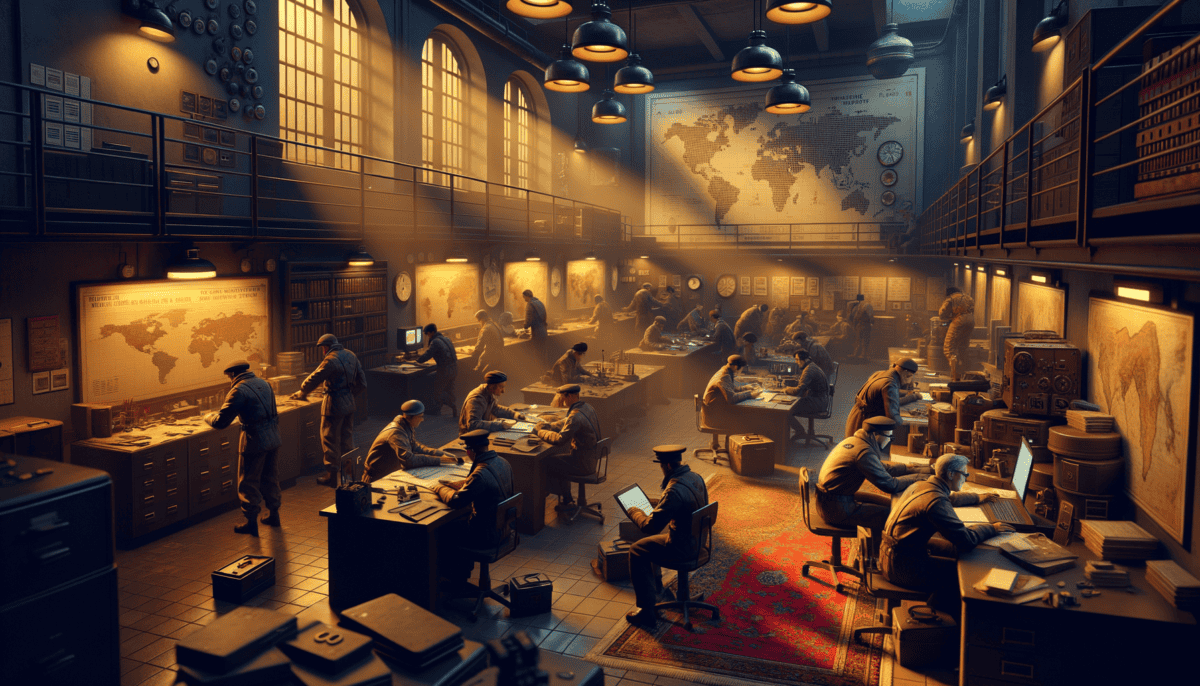
Agents in the Shadows
The KGB needed special people to do their secret work. They picked them very carefully, like picking the best players for a team.
Learning to be a Spy
Mikhail was just 20 when the KGB chose him. He went to a special school where they taught him amazing things. He learned how to:
• Remember lots of details
• Speak different languages
• Hide in plain sight
• Make friends who could help him
“Your eyes must be sharp, your mind sharper,” his teacher would say. Mikhail practiced every day until he could do everything perfectly.
Secret Spy Tools
The KGB gave their agents cool gadgets. They had cameras hidden in buttons and pens that could take pictures! Some agents even had shoes with secret compartments.
“A good agent uses their brain first, gadgets second,” the trainers would remind them.
Anna was another new agent. She was great at pretending to be different people. One day she could be a teacher, the next day a doctor. She called it “wearing masks.”
Important Missions
| Mission Type | What They Did |
| Information Gathering | Learning secret things |
| Making Friends | Getting people to help them |
| Protecting Secrets | Keeping important things safe |
During the Cold War, KGB agents worked all over the world. They were like invisible helpers for their country. Sometimes they made friends with important people in other countries to learn their secrets.
The Spy Network
The KGB built a big network of helpers all around the world. It was like a giant spider web, with Moscow in the middle. Information would travel along this web back to the KGB headquarters.
Boris was in charge of some of these networks. He sat in his office with a big map on the wall. Little pins showed where all his helpers were. Red for active agents, blue for friendly helpers, green for places they wanted to learn more about. ️
The Daily Life
Being a KGB agent wasn’t always exciting. Sometimes it meant sitting and watching for hours. Other times it meant writing long reports about what they saw.
Elena was good at watching people. She could sit in a café all day, looking like she was reading a book. But really, she was watching everyone who came and went. She wrote in her notebook using special codes:
= Suspicious person
= Document exchange
The agents had to be very patient. Sometimes they would work for years before something important happened. But they knew their work helped keep their country’s secrets safe.
At night, Mikhail would sometimes look at the stars and think about all the other agents out there, working in the shadows. They were like a family, even though most of them never met each other. Each one doing their part in this big, secret world.
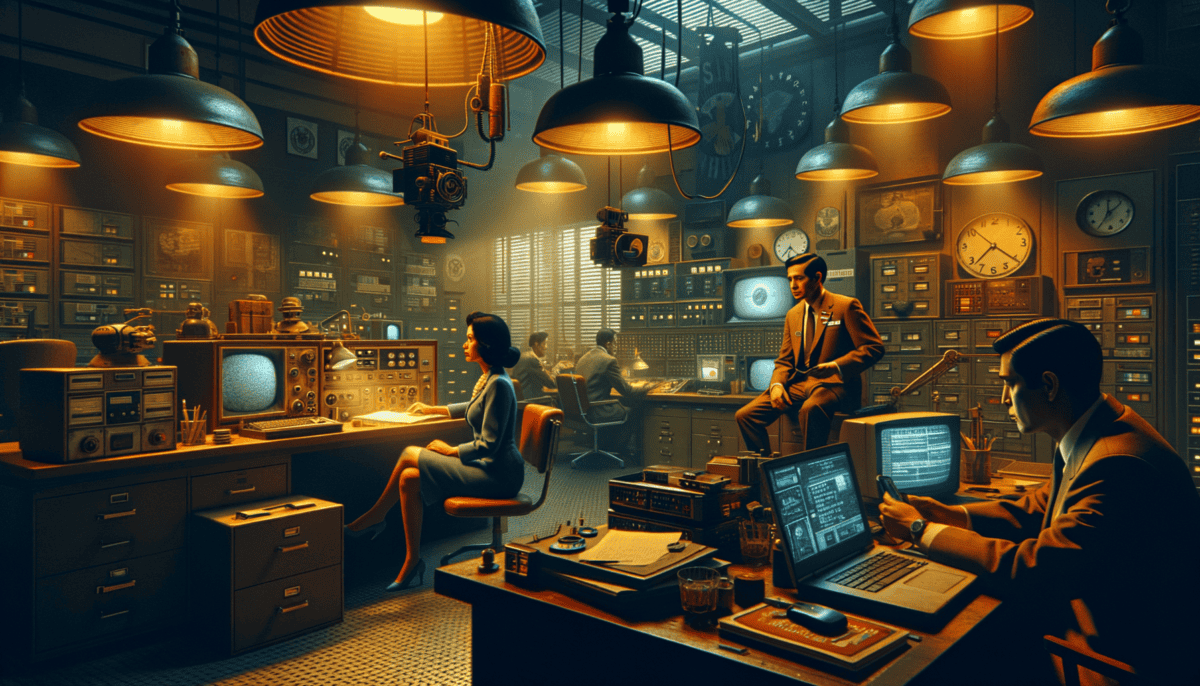
Masters of Deception
The KGB had special ways to trick people. They used clever plans to spread news that wasn’t true. They also had cool tools to watch people. ️
Spreading Stories
Ivan worked in a special office where they made up stories. “We can change what people think without them knowing,” he would say with a smile. His team wrote news that made their country look good and other countries look bad.
They were like storytellers, but their stories weren’t for fun. They wanted people to believe things that would help the Soviet Union.
“A whispered lie can travel faster than a shouted truth,” Ivan’s boss liked to say.
Watching Eyes
The KGB had amazing tools to watch people. They used:
• Hidden microphones
• Special radio devices
• Secret recording machines
• Sneaky listening tools
Sofia was the best at using these tools. She could hide a microphone so well that nobody could find it!
Secret Messages
| Type of Message | How They Sent It |
| Radio Signals | Special code beeps |
| Hidden Writing | Invisible ink |
| Secret Numbers | Special phone calls |
Dmitri loved making codes. He made special number systems that only KGB agents could understand. It was like having a secret language!
Sneaking Into Places
The KGB was very good at getting into other countries’ offices. They had people who could copy keys just by looking at them! Some agents could pick locks faster than using real keys.
The Big Plan
Marina was in charge of big plans. She would sit at her desk and think about how to use all these tricks together. Sometimes they would spend months planning just one operation.
“It’s like putting together a giant puzzle,” she would tell new agents. “Every piece must fit perfectly.”
Changing Minds
The KGB was really good at making people believe things. They would put little bits of fake news in real newspapers. They made radio shows that mixed truth with made-up stories.
Yuri worked on these projects. He said it was like being a magician. “We make people look where we want them to look,” he explained.
= Made-up story
= Mix of both
Special Technology
The KGB had some of the coolest spy tools ever made. They had pens that could take pictures, shoes with secret radios, and watches that could record voices.
Anna loved working with these gadgets. She taught new agents how to use them. “These tools are amazing,” she would say, “but your brain is still the best tool you have.”
At night, when all the secret messages were sent and all the hidden cameras were working, the KGB agents would think about how their work was changing the world. They were like invisible puppet masters, pulling strings that nobody else could see. ⭐
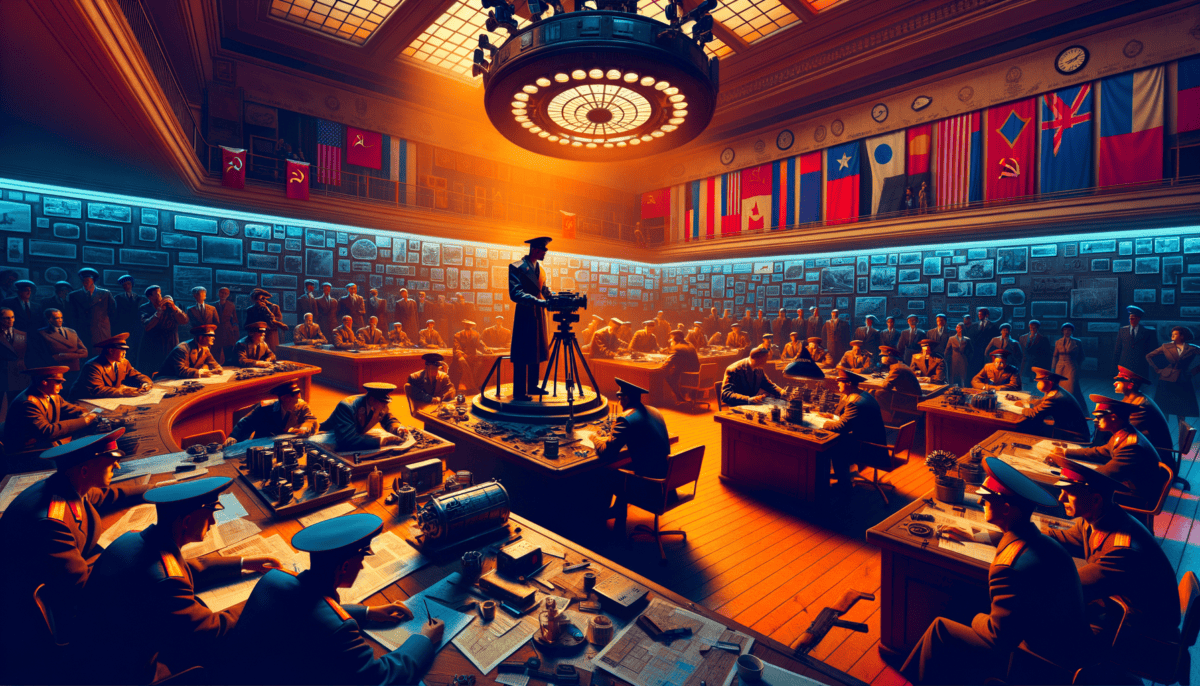
Behind the Iron Curtain
Life was hard for people living under KGB control. Everyone had to be careful about what they said and did. Even small children learned to whisper when talking about certain things.
Daily Life Under Watch
Little Anna lived with her family in Moscow. Every morning, she noticed the man in the black coat watching their apartment building. Her mama told her not to stare at him.
“Remember, sweetie,” Mama would say, “some things we only talk about at home, with our curtains closed.”
Brave People Who Spoke Up
Some people were very brave. They wrote secret books and shared them with friends. The KGB called these people “dissidents.” They were like superheroes who fought with words instead of powers. ✍️
Boris was one of these brave writers. He wrote poems about freedom and shared them in secret meetings. But one day, the KGB found out.
| What People Wanted | What They Couldn’t Do |
| Talk freely | Say bad things about the government |
| Travel anywhere | Leave the country easily |
| Read any books | Read books from other countries |
Living With Fear
The KGB had special ways to scare people:
• Following people on the street
• Opening people’s mail
• Listening to phone calls
• Watching through windows
Secret Help
Maria ran a secret group that helped people. They would share food and books. Sometimes they would hide people who were in trouble.
Children’s Lives
Even kids had to be careful. In school, teachers would ask them what their parents said at home. Some children learned to keep two types of thoughts: outside thoughts and inside thoughts.
Sasha was only eight when he learned this lesson. His father had told a joke about a leader, and the next day, men in dark suits came to their house.
Special Tricks
People found clever ways to share news and help each other. They would:
Hide words in songs
Use art to share secret meanings
Hope Stays Strong
Even with the KGB watching, people kept hoping for better days. They would meet in kitchens late at night to share stories and dreams. These became known as “kitchen talks.”
Old Peter, who lived through it all, would say, “They can watch our actions, but they can’t watch our hearts.”
Every night, as families gathered in their homes, they would share quiet moments of love and hope. They knew that someday, things would change. Until then, they watched their words but kept their dreams alive in their hearts.
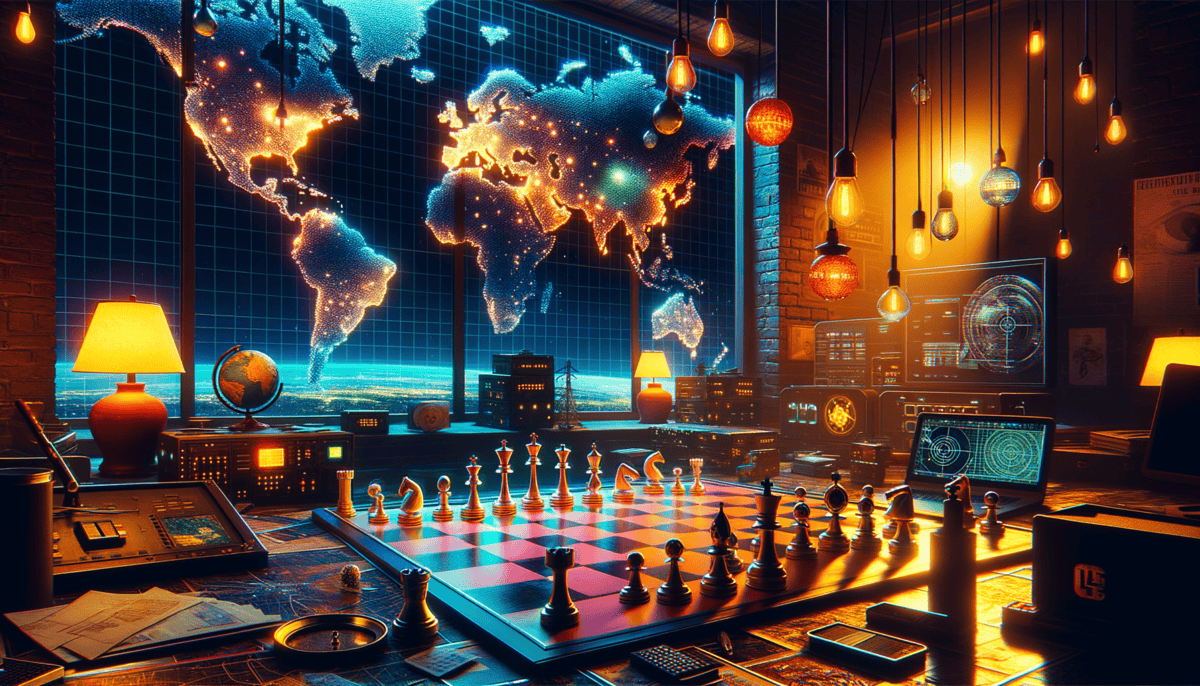
Playing Chess with Nations
The KGB played a big game around the world. Like a giant chess game, they moved their pieces carefully. They worked in many countries, trying to make the Soviet Union stronger.
The Big Scary Game
In 1962, something very scary happened. It was called the Cuban Missile Crisis. The Soviet Union put big rockets in Cuba, very close to America. The whole world held its breath.
“Everyone was afraid,” said Viktor, an old KGB agent. “We didn’t know if there would be a big war.”
Friends and Not-Friends
The KGB made friends with other spy groups around the world. They shared secrets and helped each other. But they also had enemies, like America’s CIA.
| KGB Friends | KGB Not-Friends |
| East German Stasi | American CIA |
| Cuban DI | British MI6 |
| Vietnamese Intelligence | West German BND |
Secret Helpers
The KGB had special people called “agents” in many countries. These agents would:
• Listen to important talks
• Make friends with important people
• Send secret messages back home
• Help spread Soviet ideas
Playing Both Sides
Sometimes the KGB would help two countries fight each other. Then they would offer to help fix the problem they helped start!
Making New Friends
The KGB worked hard to make friends in Africa, Asia, and South America. They gave money, weapons, and training to people who would help them.
Maria was a KGB agent in Africa. She pretended to be a teacher but really watched what other countries were doing there.
Special Tricks Around the World
The KGB used clever tricks to fool other countries:
Making fake news
Starting fake companies
Helping Their Friends
When friendly countries had problems, the KGB would help them. They sent special teachers, doctors, and engineers. But these helpers were often spies too!
The KGB was like a puppet master, pulling strings all around the world. They were very good at keeping secrets and making things happen without anyone knowing they were involved.
Working in the Shadows
Little by little, the KGB built a big web of helpers and friends. They were masters at playing countries against each other. Sometimes they made trouble just so they could step in and fix it!
Old spy Boris would say, “We were everywhere and nowhere at the same time. That was our power.”
The End of an Era
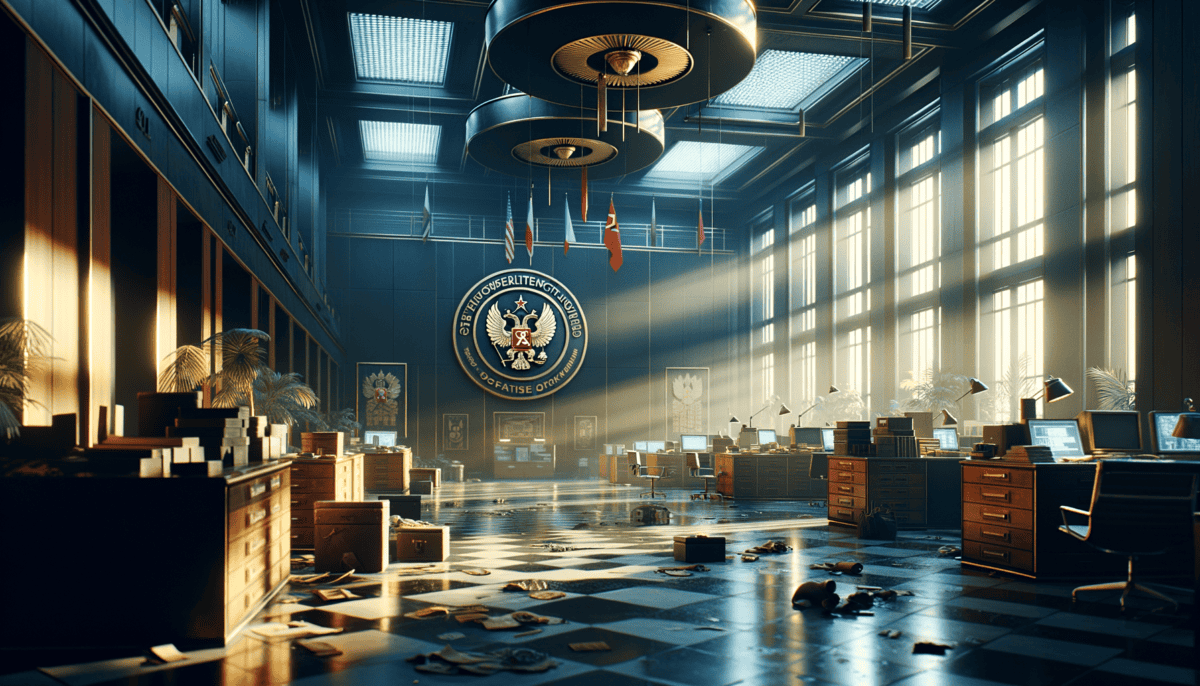
Big changes came to the Soviet Union in 1991. The mighty KGB would never be the same. Let’s see what happened!
The Big Change
One day, the Soviet Union fell apart. It split into many smaller countries. The KGB had to change too. It was like a big puzzle being taken apart.
“Nobody knew what would happen next,” says Ivan, who worked for the KGB. “Everything we knew was changing.”
Secret Files Come Out
Many old KGB secrets were finally told to everyone. People could read about things that happened long ago. Some people were sad, and some were happy to know the truth.
• How spies worked
• Secret missions
• Hidden messages
• Special spy tools
• Important names
The New Way
The FSB was different from the old KGB. It had new rules and new ways of doing things. But some things stayed the same – they still kept lots of secrets!
Around the World
Other countries watched these changes closely. They wanted to know what would happen next. Many old KGB friends had to find new friends.
| Before | After |
| One big KGB | Many smaller spy groups |
| Soviet Union | Many new countries |
| Cold War | New friendships |
Looking Back
Today, we can learn a lot from the KGB story. It shows how things can change very quickly. It also shows why it’s important to tell the truth.
What We Learned
The KGB story is like a big lesson about power and secrets. When people keep too many secrets, it can hurt others. But when the truth comes out, things can get better.
Many people who worked for the KGB had to find new jobs. Some became business people, some wrote books, and others helped build the new Russia.
Looking Forward
Even today, people still talk about the KGB. Its story helps us understand why telling the truth is important. It shows us that working together is better than fighting. ⭐
Friends are better than enemies
Truth is stronger than secrets
Change can be good
The world is different now, but we still remember the KGB. Its story helps us understand how to make a better future – one where people work together instead of keeping secrets from each other.