

Seeds of Chance
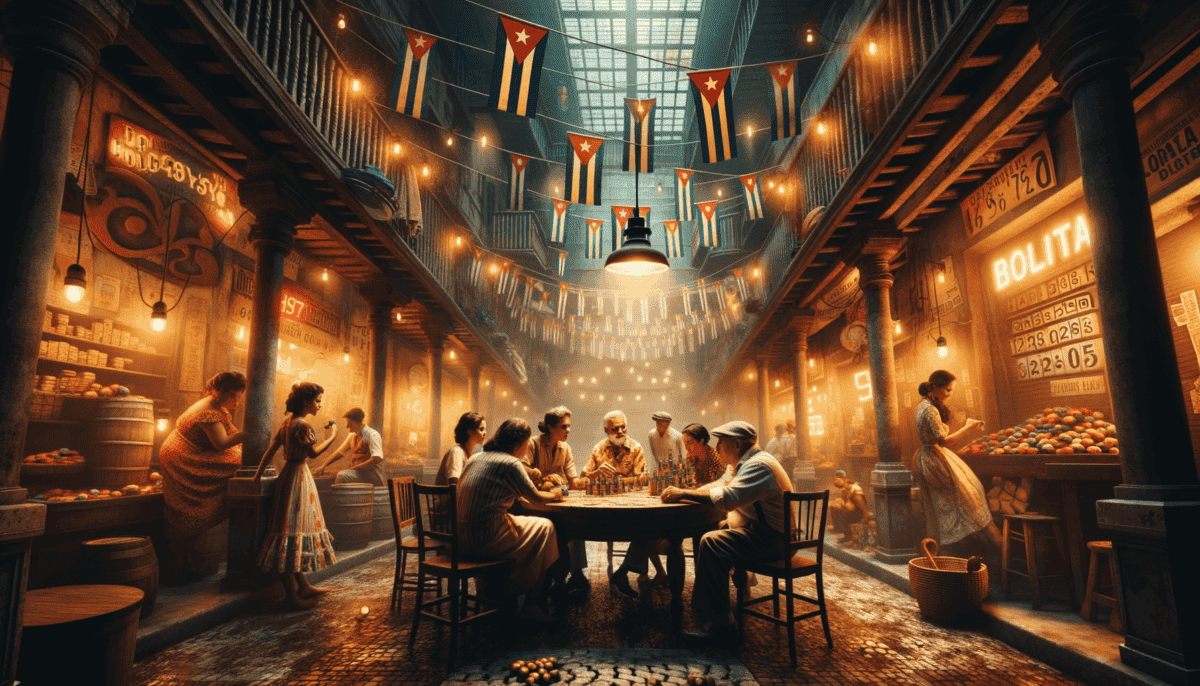
María Rodriguez wiped sweat from her forehead as she watched Mamá count their last few coins on the wooden table. The hot Havana sun blazed through their small window, making the copper pieces shine like tiny stars. It was 1895, and life wasn't easy for families like theirs in Cuba.
"Mamá, will we have enough for bread today?" María asked, her stomach growling softly.
Her mother sighed, pushing back her dark curls. "Maybe not today, mi amor. But tomorrow… tomorrow might bring us luck."
A smile crossed Mamá's tired face as she pulled out a small piece of paper from her apron pocket. On it was written the number 27. This wasn't just any number – it was their Bolita ticket.
The Magic Numbers
Bolita was more than just a game in Cuba. It was hope wrapped in little paper slips.
The streets of their neighborhood came alive every evening with whispers about Bolita. People would gather in hidden corners, sharing stories of winners and dreams of better days. María loved listening to Don Pedro, the old shopkeeper, explain how it worked:
"Each day, numbers dance in a special bag," he'd say, his eyes twinkling. "One lucky number jumps out, and if it matches yours – ¡Ay, qué suerte! What luck!"
María watched as neighbors traded coins for number slips. Some chose birthdays, others picked house numbers, and a few claimed their numbers came in dreams. The collectors, called "banqueros," moved quickly through the streets like shadows, gathering bets and spreading hope.
A Family’s Dream
That evening, Papá came home from the docks, his shoulders heavy from work. But when Mamá showed him their Bolita ticket, his eyes lit up.
"Twenty-seven," he said softly. "Like the day we met, mi amor."
"And the day María was born," Mamá added, squeezing María's hand.
The whole family huddled together, dreaming of what they'd do if their number won:
• Fix their leaky roof
• Buy new shoes for María
• Get medicine for Abuela
• Have a real feast with rice and beans
• Maybe even save some coins for María's school books
As night fell over Havana, María lay in her small bed, listening to the distant sound of waves. The paper with number 27 sat safely under her pillow. Tomorrow would be drawing day, and maybe, just maybe, their luck would change.
Through her window, she could see other lights flickering in nearby homes. Each light meant another family like hers, holding their own precious numbers, sharing the same dreams. In those moments, Bolita wasn't just a lottery – it was the thread that wove their community together, binding them with hope and possibility.
“Sometimes the smallest chance of winning is enough to keep hope alive,” Abuela always said. And in 1895 Cuba, hope was something everyone needed.
The sounds of soft singing drifted through their narrow street – lottery songs, María knew. Songs about luck, about dreams, about better tomorrows. She closed her eyes, holding tight to number 27, and let herself dream of what tomorrow might bring.
As moonlight painted silver patterns on her wall, María didn't know that Bolita would soon become more than just a game of chance. It would become part of a bigger story – one that would change not just her family, but all of Cuba.
Winds of Change
The morning sun had barely risen when María heard unusual whispers outside their window. Groups of people huddled together, speaking in low voices. Something was different in the air of their Havana neighborhood.
“¡Silencio!” Mamá warned as she quickly pulled María away from the window. “These are dangerous times, mi amor.”
Secret Messages
That afternoon, Don Pedro’s shop seemed busier than usual. But people weren’t just buying bread and coffee. María noticed how customers slipped pieces of paper across the counter along with their coins.
“Why did that man pick number 82?” María asked her mother later.
Mamá looked around carefully before whispering, “Sometimes, mi niña, numbers tell stories that can’t be spoken out loud.”
The Hidden Network
That evening, Papá came home with exciting news. His eyes were bright as he gathered the family close:
“The numbers are helping our people fight for freedom,” he whispered. “When someone plays 82, it means supplies are coming. 45 means a meeting tonight. 63 warns of danger.”
María’s heart beat faster. The simple game she knew was becoming something bigger, something important. ️
| Number | Secret Meaning |
| 82 | Supplies arriving |
| 45 | Secret meeting |
| 63 | Danger warning |
A Family’s Choice
Later that night, María watched as Mamá and Papá had a serious talk. Their voices were soft but urgent:
“We must help,” Mamá said firmly. “For our children’s future.”
“It’s dangerous,” Papá warned. “But you’re right. Cuba needs us.”
The next morning, their house became part of the secret network. People would come to buy bread from Mamá, but María noticed they always left with small paper numbers too. Each number carried hope – not just for winning money, but for winning freedom.
Close Calls
One day, Spanish soldiers marched down their street. María’s heart pounded as she watched them through a crack in the door. They passed right by Don Pedro’s shop, where dozens of secret messages were hidden in number slips.
“Quick thinking saves lives,” Don Pedro told her later with a wink. He had hidden all the special numbers in a bag of coffee beans. “Sometimes the best hiding place is right in plain sight.”
That night, as María helped sort the day’s numbers, she understood that each little paper held big dreams. Some people dreamed of winning money, while others dreamed of a free Cuba. Both kinds of dreams were precious.
The stars twinkled outside her window as she thought about how a simple lottery had become so much more. In every house on her street, people were playing numbers and sharing secrets. The game that once just gave hope for small wins was now giving hope to all of Cuba.
As she drifted off to sleep, María heard soft footsteps in the street – more messages being passed, more numbers being shared, more dreams of freedom spreading through the warm Havana night.
Dreams Across the Waves
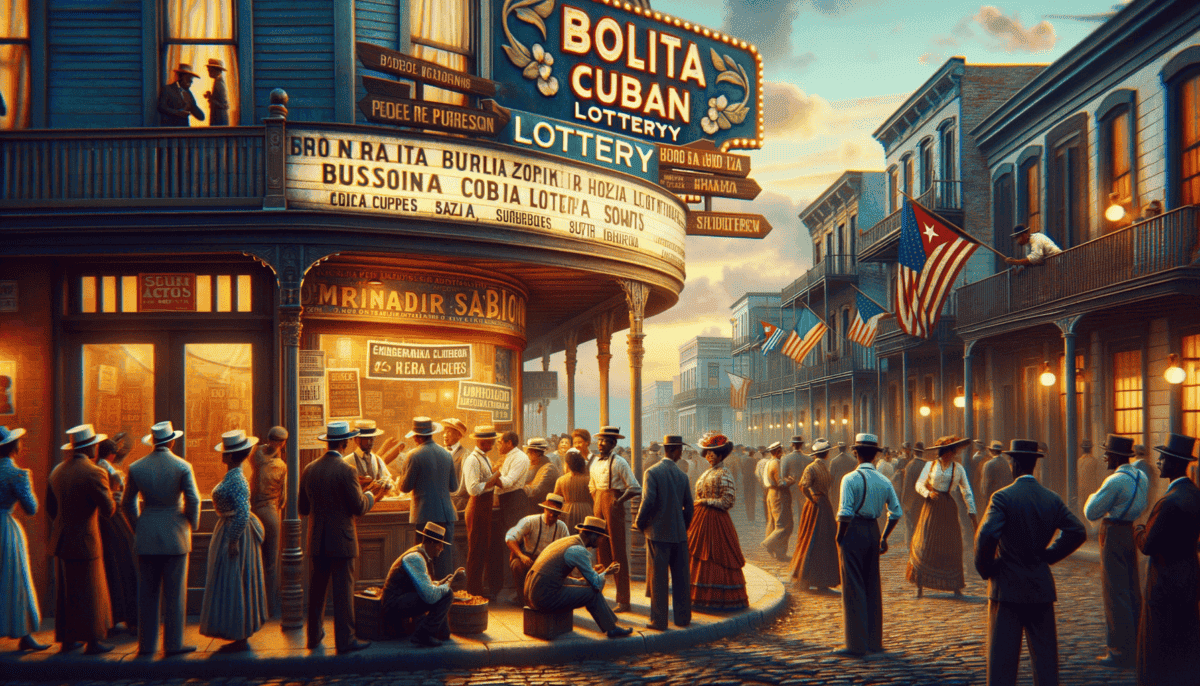
The salty breeze swept across Tampa Bay as María watched another ship arrive from Cuba. She was now thirteen, and her family had joined the growing number of Cubans seeking safety in Florida.
A New Home
“Ybor City feels like a piece of home,” Mamá said, arranging fresh bread in their small bakery. The brick buildings and palm trees reminded them of Havana, but here they could speak freely about freedom.
“María! Come quick!” called Rosa, her new friend from next door. “The numbers are being picked!”
Growing Networks
The lottery had followed them across the water, but it was different here. Mr. Johnson, a friendly policeman, walked by their shop every day:
“Morning, Mrs. Rodriguez! Those Cuban pastries smell wonderful today!”
He knew about the lottery but looked the other way. The game helped families survive and sent money back to Cuba’s fighters.
New Friends, New Ways
María met many people who helped run the lottery:
| Person | Role |
| Uncle Miguel | Number Runner |
| Señora Carmen | Money Counter |
| Mr. Torres | Message Sender |
“Each person is like a thread,” Papá explained. “Together, we weave a strong net of hope.” ️
Daily Challenges
Some days were scary. María watched as strange men in dark suits asked questions around the neighborhood.
“Just smile and sell them bread,” Mamá taught her. “The less they know, the better.”
The community protected each other. When someone knocked at night, they used special knocks:
Three quick = warning
One long = hide everything
Letters from Home
Every week, letters arrived from Cuba. Hidden between normal words were lottery numbers that meant much more:
“Dear Sister, yesterday I picked number 91 in the garden…”
“That means the fighters got more guns,” Papá whispered to María. “Every number tells a story.”
Growing Strong
The little bakery became busy with more than just bread. People came from all over Tampa to play numbers and share news. María helped by remembering everyone’s special numbers:
“Don’t write them down,” Mamá said. “Keep them in your heart.”
At night, María would look across the dark bay, thinking of Cuba. The waves carried dreams back and forth – dreams of winning the lottery, dreams of freedom, dreams of a better tomorrow.
As summer turned to fall, more ships brought more families, more stories, and more hope. The Bolita network grew stronger every day, connecting Tampa to Havana with invisible threads of numbers and dreams.
Secret Numbers, Secret Lives
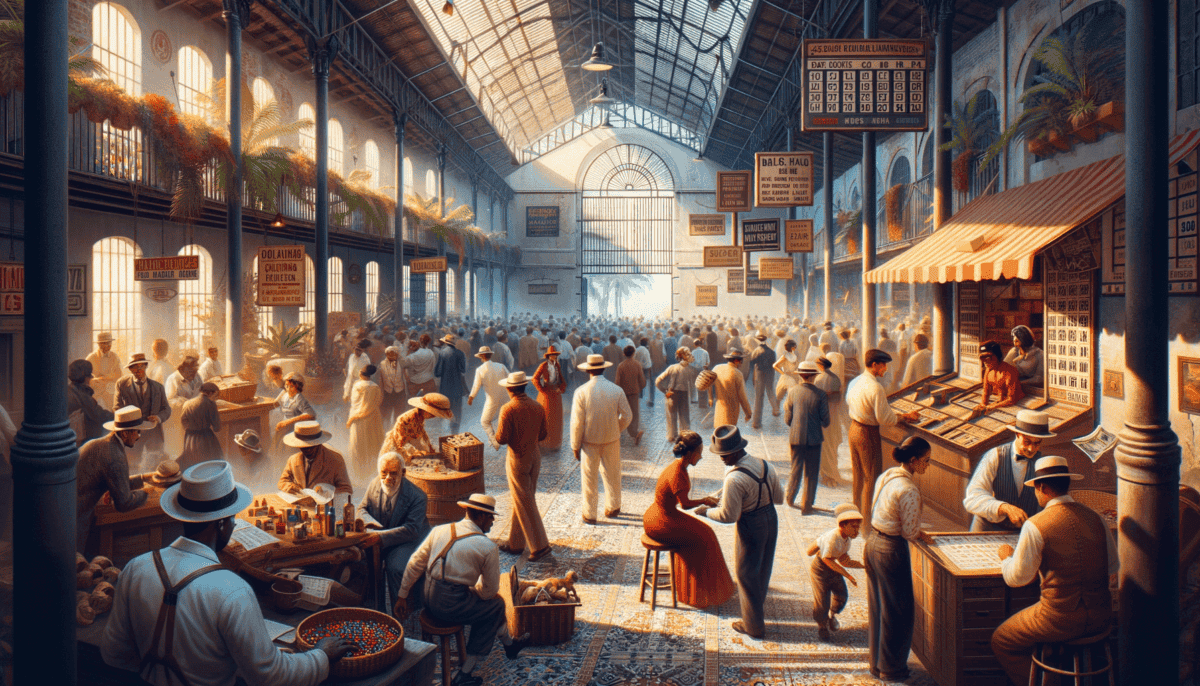
María watched carefully as Uncle Miguel counted today’s lottery slips. The afternoon sun slanted through their bakery’s back window, making the numbers dance.
Hidden Messages
“Look here, pequeña,” Uncle Miguel whispered. “Each number means something special.”
23 = Medicine arrived
45 = Need more help
67 = Soldiers nearby
89 = Good news coming
María’s heart beat faster. She wasn’t just learning numbers – she was learning a secret language!
The Daily Dance
“Buenos días, Officer Johnson!” María called out cheerfully. She placed fresh Cuban bread in the window display.
Behind the counter, Mamá quickly slid some paper slips under a tray of pastries. The whole neighborhood knew this dance:
“Just another quiet morning at the bakery,” Officer Johnson winked. “Those cinnamon rolls smell amazing today.”
Running the Numbers
After school, María helped Rosa deliver special messages. They looked like normal girls playing hopscotch, but each house they visited got important news:
“Your brother is safe,” María whispered to Mrs. Torres.
“The meeting is tonight,” she told Mr. Garcia.
The girls jumped rope and sang songs that had hidden meanings:
Three, four, watch the door
Five, six, pick up sticks
Seven, eight, don’t be late”
Close Calls
One day, two stern-looking men in suits came to the bakery. María’s hands shook as she served them coffee.
“We’re looking for illegal gambling,” one man said.
Just then, Rosa burst in: “María! Come quick! My kitten is stuck in a tree!”
This was their warning signal. While María “helped” with the imaginary kitten, Mamá and Uncle Miguel made all the lottery papers disappear.
Growing Responsibility
That night, Papá sat María down. “You’re becoming very brave,” he said. “But remember – our work keeps many people safe.”
María nodded seriously. She understood now why the Bolita was more than just a game. Every number helped Cuba’s fight for freedom.
| What We Say | What It Means |
| “Fresh bread today” | New message arrived |
| “Sold out of coffee” | Keep quiet today |
| “Special on pastries” | Money came from Cuba |
The summer grew hotter, and so did the government’s search for lottery runners. But María’s family stayed strong. Each day brought new challenges, new codes to learn, and new ways to help.
Late at night, listening to the crickets chirp, María practiced her numbers. She wasn’t just counting – she was keeping hope alive, one secret message at a time.
Flames of Change
The summer heat blazed through Ybor City as María hurried down the street. Something big was happening. She could feel it in the air.
A Special Delivery
“¡Rápido, María!” Uncle Miguel called from the bakery’s back door. His eyes were bright with excitement. “We have an important message today!”
Inside, Mamá was already sorting through today’s special numbers. Her hands moved fast like dancing butterflies.
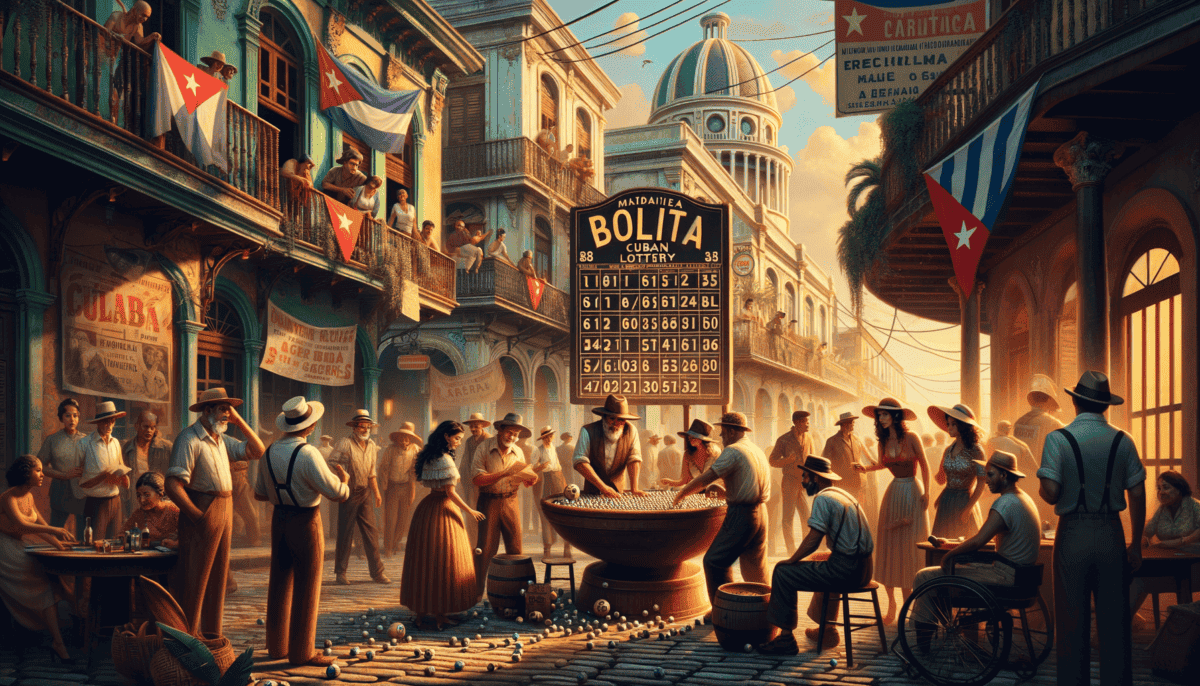
The biggest Bolita drawing ever was coming. But this wasn’t just about money – it was about freedom.
Brave Hearts
“The colonial soldiers are getting meaner,” Rosa whispered during their morning bread route. “They took Mr. Sanchez’s shop yesterday.”
María squeezed her friend’s hand. “That’s why our work is so important now.”
“When people play our numbers, they’re not just hoping to win – they’re helping Cuba fight back,” Papá had explained.
The Big Plan
That afternoon, María watched more people than ever come to buy bread. Each one left with a tiny paper slip hidden in their basket.
| Today’s Special Numbers | Secret Message |
| 777 | Big meeting tonight |
| 333 | Help is coming |
| 555 | Stay strong |
Night of Choices
As darkness fell, María heard loud voices from the bakery’s back room. The grown-ups were arguing.
“It’s too dangerous!” Mamá said.
“But our people need us,” Uncle Miguel answered.
Papá’s voice was soft but firm: “Sometimes being brave means taking big risks.”
The Decision
Tonight’s special drawing would send all its money to Cuba. It would help buy:
• Medicine for sick people
• Food for hungry families
• Tools for workers
• Books for children
María knew what she had to do. “I want to help,” she said, stepping into the room. “I’m not scared.”
Racing Against Time
That night was like a dance. María and Rosa moved through the streets, faster than ever. They carried hope in their pockets and courage in their hearts.
“Quick! Someone’s coming!” Rosa whispered. They ducked behind a big tree as soldiers marched past.
“We’re almost done,” María said. Just three more houses to go.
Stars of Hope
Later, under the twinkling stars, María helped count the night’s numbers. Each slip of paper meant someone else had joined their fight. ⭐
“You did good work today, pequeña,” Uncle Miguel said proudly.
María smiled. She wasn’t just a little girl anymore. She was part of something bigger – a dream of freedom that grew stronger every day.
Through her window, she could see the moon shining over Tampa Bay. Somewhere across the water, Cuba was waiting. And thanks to brave people like her family, help was on the way.
Legacy of Dreams
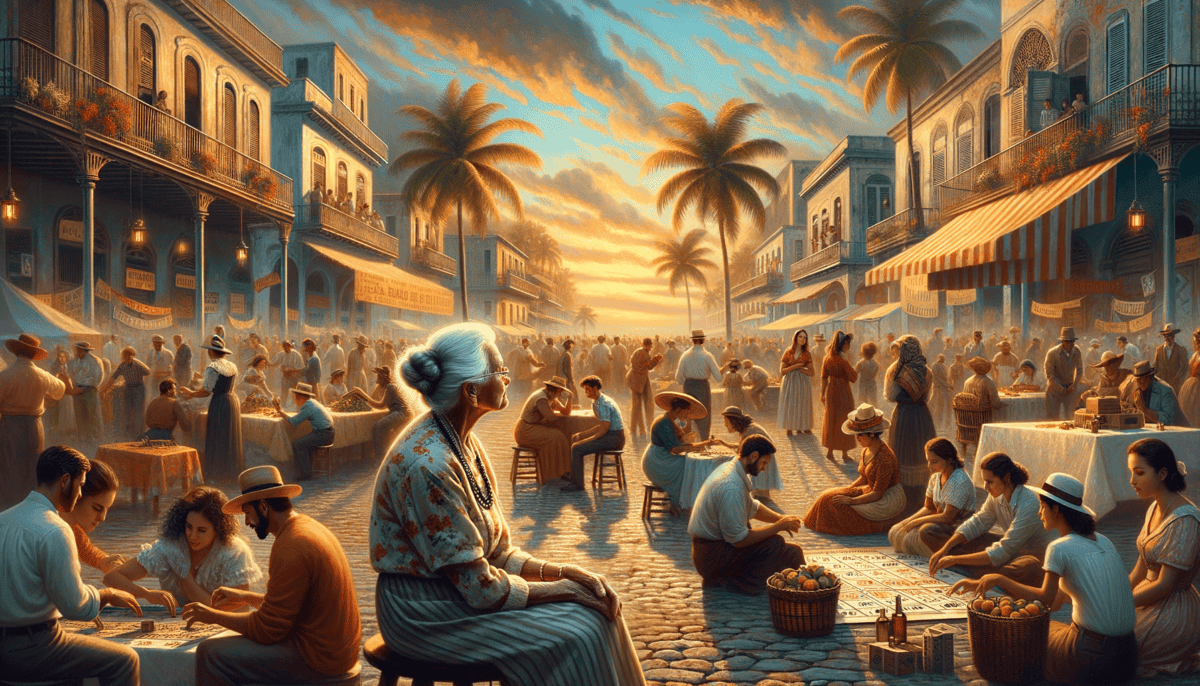
The morning sun painted Ybor City gold as María watched ships sailing across Tampa Bay. Change was coming – she could feel it in her bones.
Victory’s Dawn
“¡María, ven aquí!” Mamá called excitedly. “The news from Cuba!”
The family huddled around a crumpled newspaper. The big headlines made María’s heart soar:
After years of fighting, the island had won its independence. Their secret network of hope had worked!
Celebration Time
The streets exploded with joy. People danced and sang. Flags waved in the warm breeze.
“Look what we did together,” Rosa said, hugging María tight. “All those numbers, all those secret messages – they helped make this happen!”
“When people work together, even small things can make big changes,” Papá smiled, his eyes shining.
A New Chapter
The bakery was busier than ever. But now, instead of hiding secret messages in bread, they baked special treats to celebrate freedom.
| Old Times | New Times |
| Secret numbers | Happy songs |
| Hidden messages | Open letters |
| Whispered hopes | Loud cheers |
Memories and Dreams
One quiet evening, María found her old number slips in a box. Each one told a story of bravery.
“Remember how scared we were?” Rosa asked, looking through them.
“But we did it anyway,” María answered proudly. “Because it was right.”
Looking Forward
• Stand together
• Help each other
• Stay brave
• Never give up
The Next Generation
Years later, María told her own children about the Bolita days. About how a simple game helped change history.
“Tell us again about the secret numbers, Mamá!” they would beg.
And she would smile, remembering those brave times when hope traveled hidden in bread loaves and victory was counted in lottery tickets.
Forever Connected
The old Bolita network might be gone, but its spirit lived on. In the strong bonds between neighbors. In the courage to stand up for what’s right. In the power of working together. ❤️
María looked out at the sunset over Tampa Bay. The same water still connected them to Cuba, but now it carried messages of friendship instead of secrets.
“We are all winners,” she whispered to the evening breeze, “when we help each other be free.”
And somewhere in the warm Florida night, the stars twinkled back like numbers in an endless game of hope.