

The Rise of a Dynasty
Long ago, in a snowy land called Russia, everything was in chaos. The year was 1613, and the people were very sad and scared. They had no leader to help them, and bad things kept happening. This time was called the Time of Troubles.
Young Mikhail Romanov was just sixteen years old when everything changed. He lived in a big monastery with his mother, trying to stay safe from all the fighting happening outside. He had no idea he would soon become one of the most important people in Russia!
"Mikhail, come quickly!" his mother called one winter morning. "There are visitors from Moscow!"
A group of important men had traveled through the deep snow to find Mikhail. They were called the zemsky sobor – kind of like a big group of helpers who made important choices for Russia.
"We want you to be our new Tsar," they told Mikhail. "Russia needs a good leader."
Mikhail was very surprised! He looked at his mother with wide eyes. "But I'm so young," he said softly. "How can I lead such a big country?"
His mother squeezed his hand and smiled. "You won't be alone," she said. "You'll have many wise people to help you."
When Mikhail finally said yes, the people were so happy! They had big celebrations in Moscow, with music and dancing in the streets. The city looked beautiful with colorful decorations everywhere.
Mikhail worked very hard to make Russia better. He was kind and listened to his advisors. He helped stop the fighting and made peace with other countries. He made sure farmers had enough food to grow, and traders could sell their goods safely.
"A good leader must care for all his people," Mikhail often said. And he really meant it!
Here are some of the good things that happened when Mikhail became Tsar:
- Peace returned to Russia
- People had enough food to eat
- Churches were rebuilt
- Trade with other countries got better
- Families felt safe again
The young Tsar married a nice girl named Eudoxia, and they had many children. This was very important because it meant the Romanov family would continue to lead Russia for a long time.
As Mikhail got older, he became even wiser. He taught his children about being good leaders. "Remember," he would say, "a ruler must have a kind heart and a smart mind."
Little did anyone know that this was just the beginning. The Romanov family would rule Russia for the next 300 years! They would make Russia one of the biggest and most powerful countries in the whole world.
The sun was setting over Moscow's golden domes, and Mikhail stood at his palace window. He thought about that snowy day when everything changed. He had been so scared then, but now he knew it had been the right choice.
"Look at our beautiful Russia," he whispered to himself. "We are just getting started."
And indeed, they were. The Romanov story was only beginning, and many more exciting chapters were yet to come.
Winds of Change
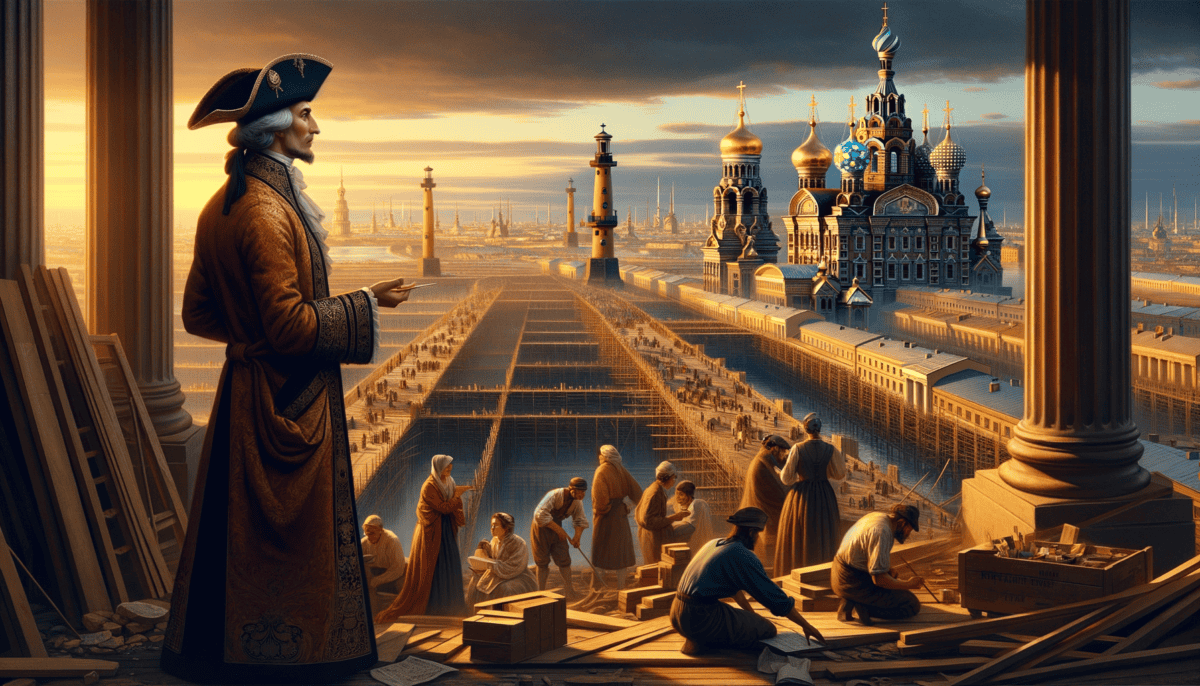
The morning sun sparkled on the frozen Moskva River as young Peter gazed out his palace window. At just ten years old, he was already different from other royal children. While they played with fancy toys, Peter loved to build things and learn about ships.
“Mother, why can’t I go to the foreign quarter again?” Peter asked Sofia, his regent. “The English craftsmen are teaching me about compasses!”
Sofia frowned. “A true Russian Tsar doesn’t need foreign ways,” she said firmly.
But Peter didn’t listen. He had big dreams for Russia. When he grew up, he would change everything!
As a young man, Peter did something no other Russian ruler had done before. He went on a secret journey to learn from other countries! He worked as a simple ship builder and learned about new ways to do things.
“Look at these wonderful tools!” Peter wrote in his diary. “Our Russia must have these too!”
When Peter came home, he started making big changes:
- Built a whole new city called St. Petersburg
- Made boys cut their long beards (ouch!)
- Started Russia’s first navy
- Built new schools and factories
- Changed how people dressed to look more European
Not everyone liked these new ideas. “Why must we change?” the old nobles grumbled. “Our Russian ways are better!”
But Peter was determined. He worked alongside his workers, showing them new ways to build ships and buildings. His hands were rough from work – very unusual for a Tsar!
“See?” he would say, holding up his calloused hands. “Even a Tsar must learn new things!”
One day, while watching his new navy ships sail on the Baltic Sea, Peter smiled proudly. “Now Russia has a window to the world,” he said to his friends. “We can learn from everyone!”
Peter worked very hard to make Russia stronger and more modern. He built a great army and made Russia much bigger. Other countries started to pay attention to Russia in a new way.
“Your Majesty,” a French ambassador said one day, “Russia has become a great power under your rule!”
Peter just nodded and kept working on his latest project – teaching Russian boys about mathematics. He knew that education was the key to making his country better.
In his later years, Peter would often sail on the waters of his beloved St. Petersburg. Looking at the magnificent city he had built, with its grand buildings and busy shipyards, he felt proud.
“We have changed so much,” he thought, “but this is just the beginning.”
As the sun set over the Baltic Sea, Peter’s ships sailed proudly under the new Russian flag. The wind of change that started with a curious young boy had grown into a storm that would transform Russia forever. ⛵
The Empress’s Journey
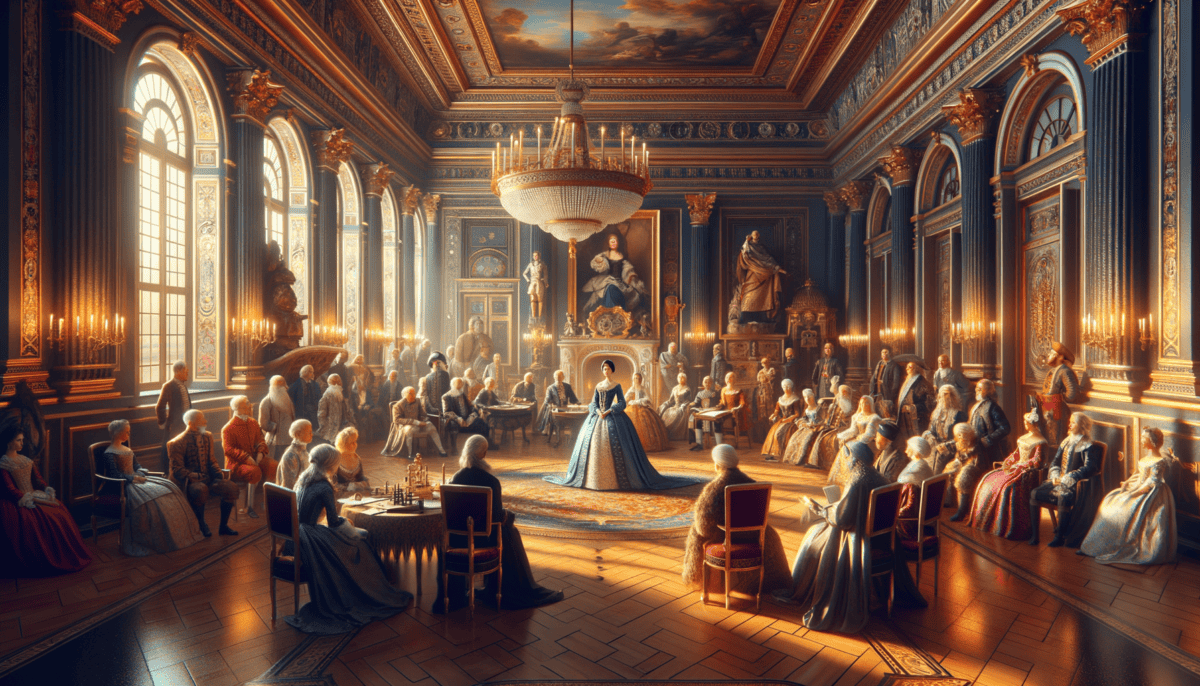
The palace halls sparkled with golden light as young Princess Sophie from Germany arrived in Russia. She was just fourteen years old, but her life was about to change forever. ✨
“Remember,” her mother whispered, “you must become Russian now.”
Sophie learned Russian, changed her name to Catherine, and joined the Russian Orthodox Church. But the biggest change was marrying Peter III, the future emperor of Russia.
“Why do you read so much?” Peter III would ask with a frown.
“Because a ruler must be wise,” Catherine would answer, turning another page.
Life wasn’t easy for Catherine. Peter III wasn’t kind to her, and many people didn’t trust her because she wasn’t born Russian. But Catherine was smart and patient. She made friends with important people and learned everything she could about Russia.
When Peter III became emperor, he made many people angry. He liked Prussia better than Russia and didn’t care about Russian ways. The army didn’t like him, and neither did the church.
Catherine saw her chance. With help from her friends in the army, she took power from Peter III. The people cheered when she rode through St. Petersburg on a white horse, wearing a soldier’s uniform.
As empress, Catherine made Russia better in many ways:
- Built beautiful palaces and art museums
- Opened schools for girls
- Made Russia bigger and stronger
- Brought doctors to help sick people
- Wrote letters to smart people in Europe
Catherine loved to learn new things. She wrote letters to famous thinkers in France and collected beautiful art. She built the Hermitage Museum to share art with everyone.
“Knowledge is like a magic key,” she would say. “It opens doors to new worlds.”
One cold morning, Catherine walked through her snowy garden with her grandson Alexander. “Look,” she said, pointing to a tiny shoot pushing through the snow. “Russia is like this little plant. With care and patience, it grows stronger every day.”
Years passed, and Russia grew more beautiful and powerful. Other countries called this time “Catherine’s Golden Age.” People wrote poems about her, painted her picture, and called her “Catherine the Great.”
But Catherine never forgot the young German princess she once was. “Anyone can be great,” she would tell her grandchildren, “if they work hard and care about others.”
At night, Catherine would still read by candlelight, planning new ways to make Russia better. Outside her window, St. Petersburg glowed like a jewel, a city of dreams that showed how far Russia had come.
The little German princess had become Russia’s greatest empress, proving that wisdom and determination could change the world.
Winds of Change
The grand halls of the Winter Palace echoed with whispers of change. Alexander II, tall and thoughtful, walked through the corridors, his heart heavy with big dreams for Russia.
“Father,” he said to himself, remembering his father’s strict rules, “I must do things differently.”
“My people deserve to be free,” Alexander announced to his advisors. Some old nobles shook their heads, but Alexander stood firm.
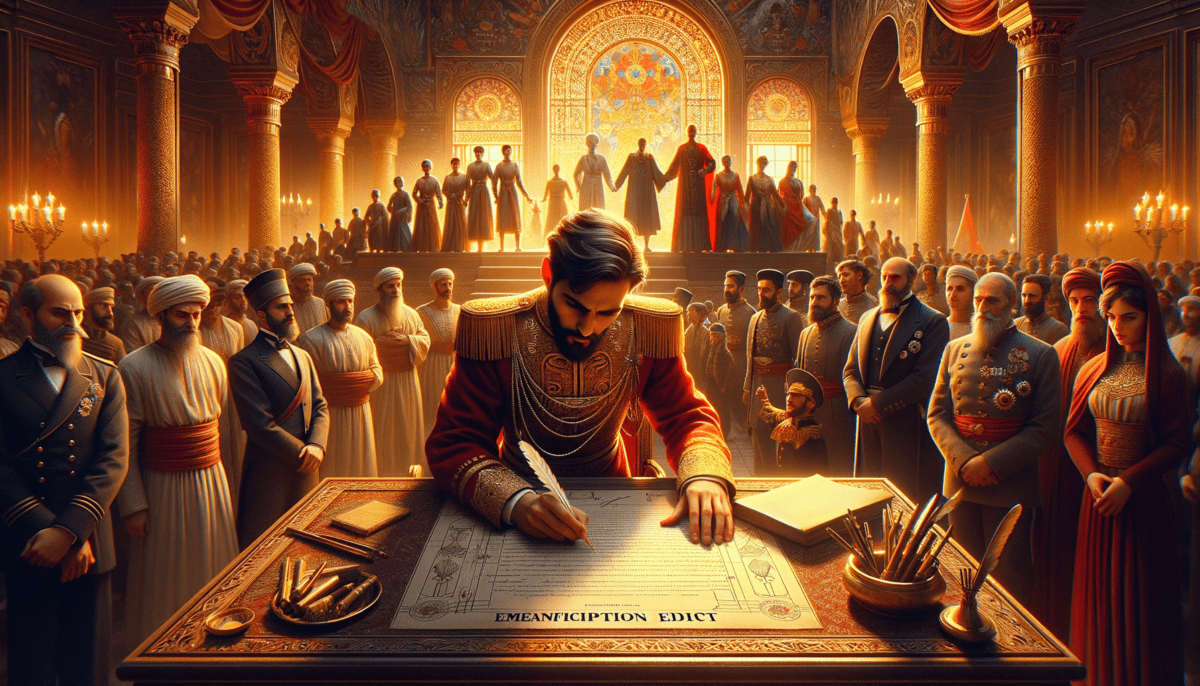
The day the freedom paper was signed, bells rang across Russia. People cried with joy in the streets. But making big changes isn’t easy. Some people wanted even more changes, while others thought Alexander was changing too much.
The Kind Tsar’s New Rules
- Freed the serfs to live their own lives
- Built more schools for children
- Made courts fairer for everyone
- Let young men join the army for a shorter time
- Gave people more freedom to write and speak
One day, while riding in his carriage, Alexander saw a poor family by the road. He stopped to talk with them.
“What does freedom mean to you?” he asked kindly.
The father replied, “It means my children can dream of a better life, Your Majesty.”
Alexander’s wife, Maria, worried about him. “Please be careful,” she would say, holding his hand.
“I must do what’s right for Russia,” he would answer bravely.
In the palace gardens, Alexander taught his children about kindness. “A good ruler,” he said, “thinks about all people, not just the rich ones.”
Dreams of Peace
Alexander worked to make Russia more modern. He built railways across the huge country. Trains whistled through forests and over plains, carrying people to new opportunities.
In schools, more children learned to read and write. In courts, judges treated poor people the same as rich ones. Russia was changing, like a flower slowly opening its petals.
But some people wanted changes to happen faster. They held secret meetings and wrote angry letters. The palace guards stayed extra alert, watching for danger.
“Why do they want to hurt you?” asked Alexander’s youngest son one evening.
“Sometimes,” Alexander replied gently, “doing the right thing makes some people unhappy. But we must be brave and keep trying.”
Each morning, Alexander would look out his palace window at the city of St. Petersburg. He dreamed of a Russia where everyone had a chance to be happy.
The story of Alexander II shows us that making big changes isn’t easy, but it’s important to be brave and do what’s right. His kindness and courage changed Russia forever, earning him the name “Alexander the Liberator.”
Dark Clouds Gather
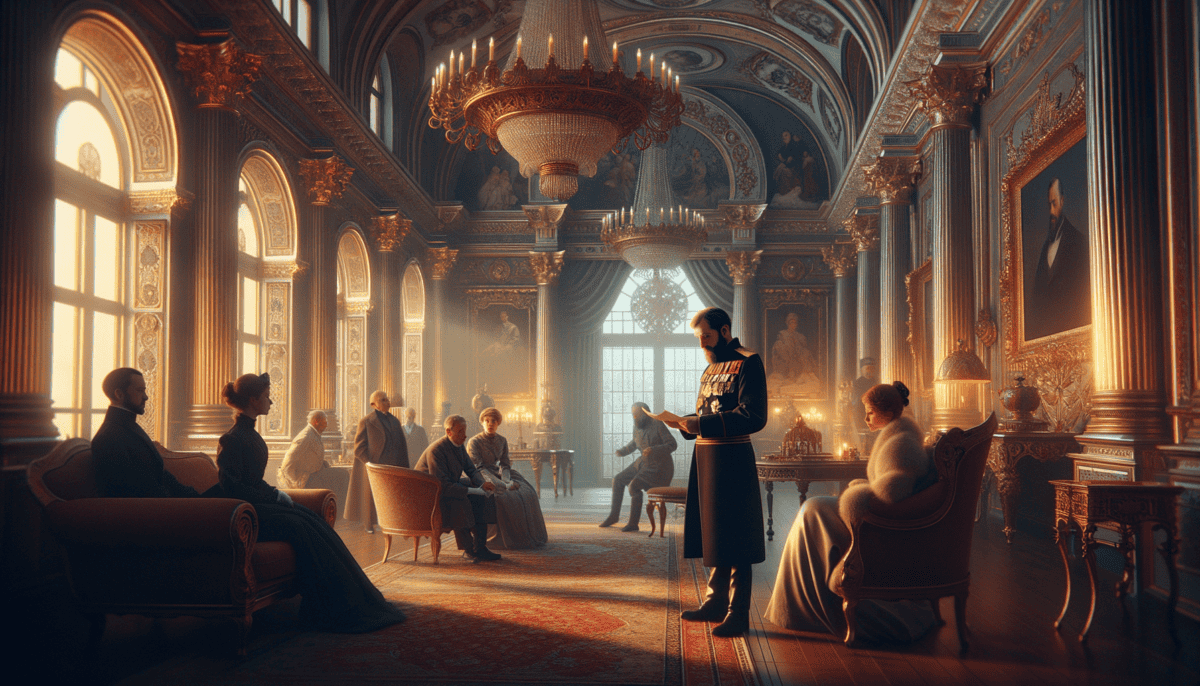
The grand halls of the Winter Palace felt colder now. It was 1905, and Tsar Nicholas II stood by a frosted window, watching snowflakes dance in the winter wind. ❄️
“Something’s not right,” Alexandra, his wife, whispered. She held baby Alexei closer, worried about their sick little boy.
“The doctors can’t help,” Alexandra said softly. “But Rasputin can.”
A Strange New Friend
Grigori Rasputin was different from anyone at the palace. He didn’t wear fancy clothes or bow to the royal family. His wild beard and strange eyes made people whisper.
“He helped Alexei when no one else could,” Alexandra told everyone who questioned her trust in him.
But outside the palace walls, people were getting angry. Food was hard to find, and many were poor. The sound of unhappy voices grew louder each day.
“Why won’t the Tsar help us?” people asked in the streets.
Nicholas tried to be a good ruler like his grandfather, but times were different now. He spent more time worrying about Alexei than listening to his people’s problems.
The Palace Bubble
Inside the palace, life seemed perfect. The five royal children played in beautiful rooms:
- Olga loved to read books
- Tatiana helped take care of everyone
- Maria drew pretty pictures
- Anastasia made everyone laugh
- Little Alexei played with his toy soldiers
“Look at the snow, Papa!” Anastasia would say, pressing her nose against the window. But beyond the palace gates, dark clouds were gathering. ️
Rasputin’s power grew stronger. He helped make big decisions about Russia, which made many people angry.
“He’s just a simple holy man,” Alexandra would say.
“But the people think he controls us,” Nicholas worried.
Letters arrived with bad news from the war. Russian soldiers didn’t have enough food or warm clothes. Many were getting hurt.
“We should stop fighting,” some advisors told Nicholas.
“But we must be brave for Russia,” he replied, though worry lined his face.
Growing Storms
The winter of 1916 was very cold. People stood in long lines for bread. In the streets, they started carrying signs and shouting for change.
Inside the palace, Alexandra wrote in her diary: “If only they knew how much we love Russia.”
But love wasn’t enough. The Romanovs stayed hidden in their palace, protected from the real world by high walls and guards. They didn’t see how angry their people were getting.
One snowy evening, Nicholas looked out at his capital city. The lights of St. Petersburg twinkled like stars, but somewhere in those streets, a storm was brewing. Soon, it would change everything forever. ⭐
The End of an Empire
Snow fell heavily on St. Petersburg in February 1917. The streets echoed with the angry voices of hungry people. ️
“Mama, why are they shouting?” little Alexei asked, pressing his face against the cold window.
“Don’t worry, my sunshine,” Alexandra said softly, but her voice trembled. She knew things were different now.
The Great Change
One morning, soldiers who used to protect the palace joined the angry people instead. Nicholas had to make a big decision.
“I must stop being Tsar,” he told his family. “It’s best for Russia.”
The children looked at their father with wide eyes. Anastasia hugged her favorite teddy bear tighter.
The family moved to a house in a town called Yekaterinburg. It wasn’t as big as their palace, but they tried to make the best of it.
“We still have each other,” Olga would remind everyone. They played games, read books, and said prayers together. ❤️
The Last Summer
In their new home, the Romanovs planted a small garden. Alexei watched butterflies while his sisters helped their mother sew. They weren’t Tsar and Tsarina anymore – just a family trying to stay together.
“Look what I grew!” Anastasia would say, showing off tiny vegetables from their garden.
But the world outside was changing fast. New leaders called Bolsheviks didn’t want any kings or queens in Russia.
The Family’s Legacy
On a warm July night in 1918, the Romanov family’s story came to an end. But their tale lives on in history books, old photographs, and stories people still tell today.
The Romanovs ruled Russia for three centuries. They built beautiful palaces, made important changes, and faced big challenges:
- Mikhail started the family rule in 1613
- Peter the Great built a new capital city
- Catherine made Russia bigger and stronger
- Alexander II helped free the poor farmers
- Nicholas II was the last Romanov ruler
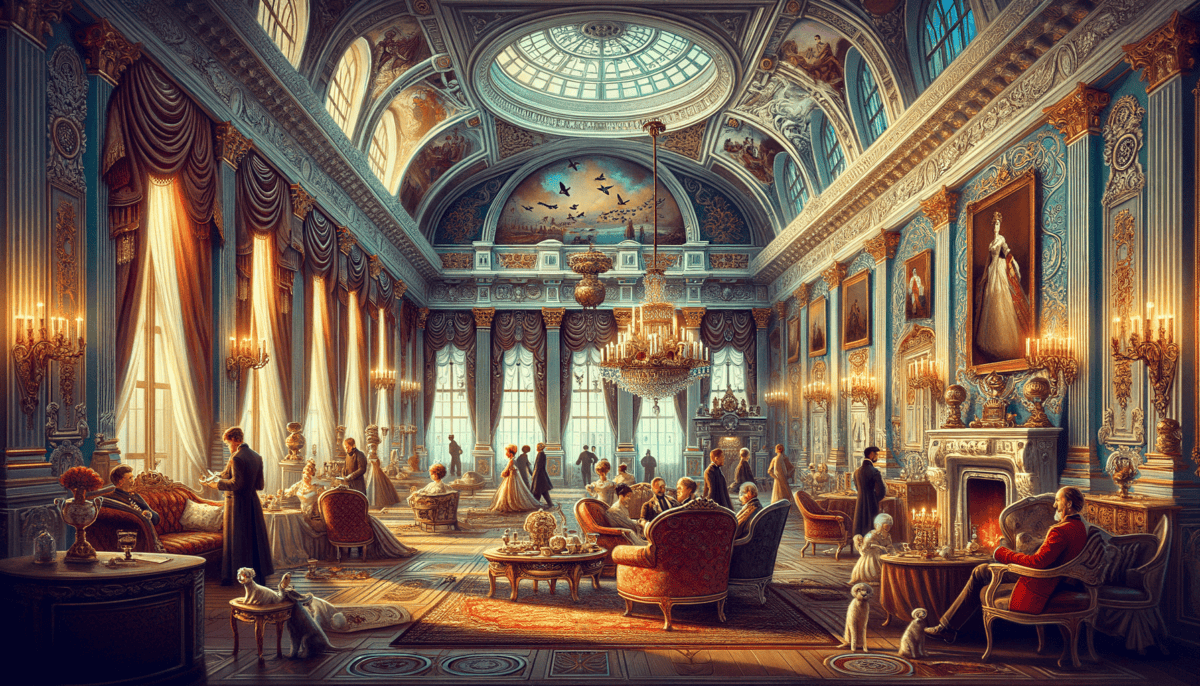
Today, the grand Winter Palace is a museum called The Hermitage. Millions of people visit every year to learn about the Romanov family.
The story of the Romanovs teaches us that even the most powerful families can face hard times. But it also shows how love can keep a family strong, even when everything else changes.
In St. Petersburg, snow still falls on the palace windows. Inside, portraits of the Romanovs watch quietly as new generations come to learn their story. And somewhere, perhaps, the echo of Anastasia’s laughter still rings through those grand halls. ✨