

The Cold War Chessboard
Henry Kissinger stood at his office window in the West Wing, watching snow drift onto the South Lawn. The grandfather clock behind him struck midnight, its resonant chimes echoing through the empty corridors of the White House. January 1971 had arrived with arctic temperatures and mounting pressure from the Oval Office.
He pressed his forehead against the cold glass, his breath creating a small fog patch. "Time is not on our side," he muttered, his German accent more pronounced in his exhaustion.
The desk behind him groaned under stacks of intelligence reports, diplomatic cables, and academic papers – a paper fortress of Cold War orthodoxy. But his mind kept returning to a different vision: a new global equilibrium, with China as the fulcrum.
A sharp rap at the door interrupted his thoughts. "Dr. Kissinger?" His aide, Winston Lord, entered with a fresh stack of documents. "The President's asking for an update on the China initiative."
Kissinger turned, adjusting his thick-rimmed glasses. "Tell him we're exploring all channels. And Winston – bring me everything we have on Zhou Enlai."
The Presidential Challenge
Earlier that day, Nixon had summoned Kissinger to the Oval Office. The President sat hunched behind his desk, papers scattered before him like abandoned battlefield plans.
"Henry, we need a breakthrough," Nixon declared, his jowls tightening. "The Soviets are playing us for fools in Vietnam, the Democrats are circling like vultures, and the goddamn press won't let up."
Kissinger recognized the familiar cascade of Nixon's insecurities. "Mr. President, I believe I see a path forward. But it requires…" he paused for effect, "…an unconventional approach."
Nixon leaned forward, eyes narrowing. "Go on."
"We need to change the entire strategic equation. Not just move pieces on the board – we need to flip the board itself."
“China, Mr. President. The time has come to end twenty years of isolation. Imagine the headlines: ‘Nixon Opens China.’ It would transform the global balance of power overnight.”
Nixon's expression shifted from skepticism to intrigue. "The conservatives would crucify me."
"Or hail you as the statesman who outmaneuvered the Soviets at their own game."
The Private Dance
Later that night, in his Georgetown townhouse, Kissinger hosted a discrete dinner party. Among the guests was a Pakistani diplomat who might prove useful in establishing back-channel communications with Beijing.
The conversation flowed with the wine, carefully steered toward Asia. Kissinger watched the diplomat's reactions, measuring each response. This was his element – the delicate choreography of unofficial diplomacy.
His latest paramour, a television news correspondent, touched his arm. "Henry, you seem distracted tonight."
He smiled, covering her hand with his. "My dear, I'm contemplating a seduction – of history itself."
The Midnight Strategy
Back in his office after midnight, Kissinger drafted a memo that would later be considered the blueprint for the China opening:
Strategic Objectives for Sino-American Rapprochement:
• Leverage Chinese fears of Soviet encirclement
• Create diplomatic flexibility in Vietnam negotiations
• Demonstrate American diplomatic innovation
• Restructure global power dynamics
Winston Lord returned with the Zhou Enlai files. "Sir, there's something else. The Chinese ping pong team has issued an unusual invitation to their American counterparts."
Kissinger's eyes lit up behind his glasses. Sometimes the smallest moves could unlock the largest doors. He reached for his phone – the secure line to the President's bedroom.
"Mr. President? I apologize for the late hour, but I believe we've found our opening gambit."
Through the receiver, Nixon's voice carried the gruff tone of interrupted sleep, but also unmistakable interest. "Tell me more, Henry. Tell me how we're going to make history."
The snow continued falling outside, covering Washington in a blank white sheet – like a fresh page waiting to be written.
Secret Passages and Whispered Negotiations
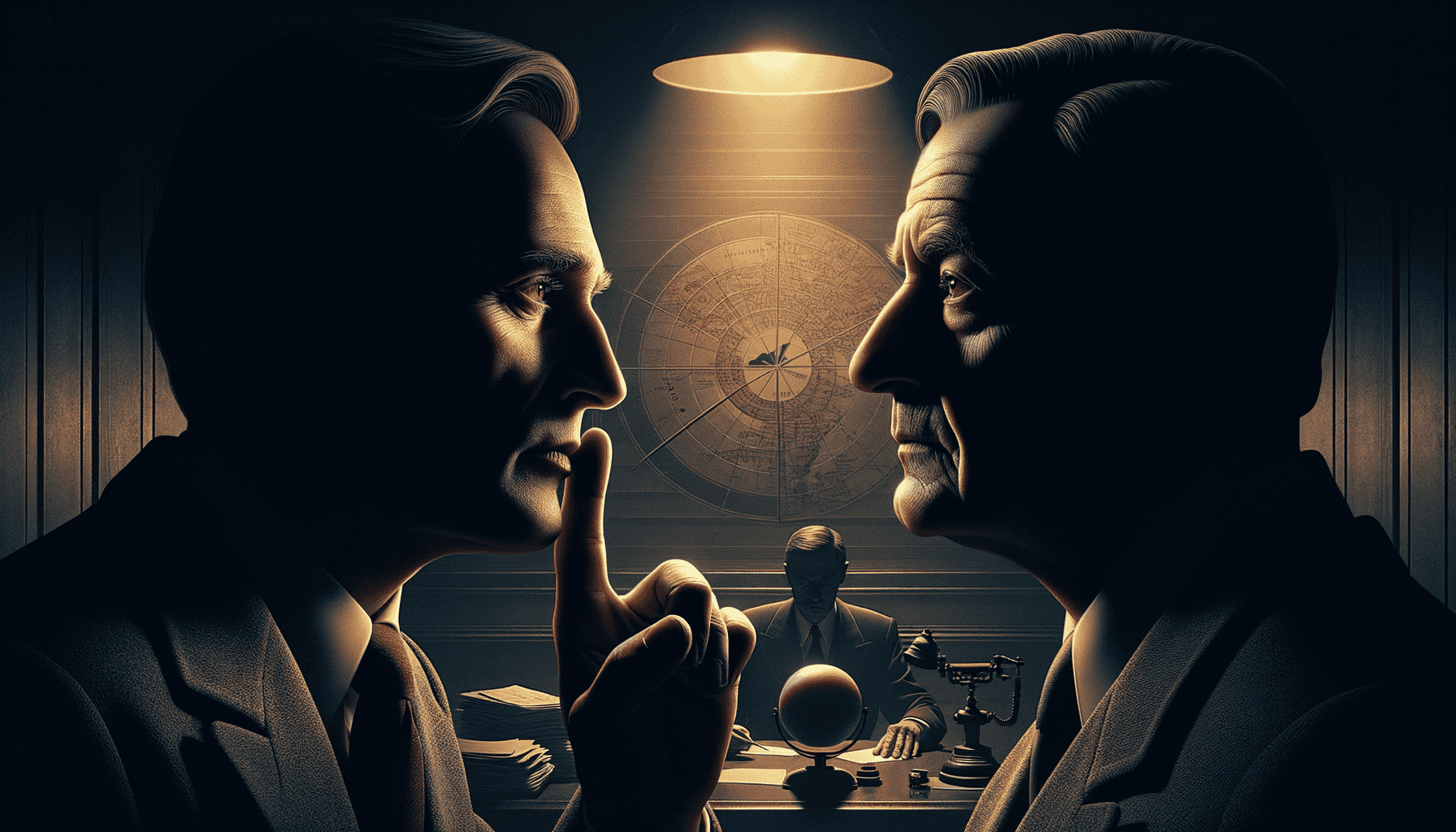
The Pakistani Embassy gleamed in the April twilight as Kissinger’s diplomatic sedan pulled up to the service entrance. A light spring rain misted the cherry blossoms, their pink petals scattered across the wet pavement like confetti from a celebration yet to come.
“Remember,” Kissinger instructed Winston Lord, “if anyone asks, we’re discussing trade policies with Pakistan. Nothing more.”
Inside, Ambassador Agha Hilaly waited in a wood-paneled study. On his desk sat an unmarked envelope – the latest message from Premier Zhou Enlai, transmitted through their carefully constructed back channel.
The Ping Heard Round the World
Two weeks earlier, the American ping pong team had returned from China with more than just sporting memories. Glenn Cowan, a lanky 19-year-old with flowing hippie hair, had become an unwitting diplomat when Chinese champion Zhuang Zedong gifted him a silk-screen portrait of the Huangshan Mountains.
“Dr. Kissinger,” Hilaly began, “Beijing is… receptive. They were particularly impressed by your handling of the ping pong situation.”
Kissinger allowed himself a small smile. The “accidental” sports diplomacy had been carefully orchestrated, down to the selection of which American players would make the trip.
“The Premier suggests a more direct channel might now be appropriate,” Hilaly continued, sliding the envelope across his desk.
Dancing Through Intermediaries
Back in his office, Kissinger decoded Zhou’s message, his excitement growing with each paragraph. The Chinese were proposing a secret meeting in Pakistan – a chance to lay the groundwork for Nixon’s visit.
The phone rang. “Henry?” Nixon’s voice crackled with barely contained energy. “What’s the word from our friends?”
“Mr. President, we have movement. But there’s a complication. They want me to come personally. To Beijing.”
A long pause. “Jesus, Henry. If this leaks…”
“It won’t. We’ll create a cover story – a fact-finding mission to Vietnam. No one will know the real destination.”
The Art of Secret Communication
The next month was a ballet of coded messages and midnight meetings. Kissinger established a secure communication system using the Pakistani and Romanian embassies as cut-outs. Each message was carefully crafted to avoid detection by the Soviets, who maintained extensive surveillance operations in Washington.
FROM: Premier Zhou Enlai
VIA: Pakistani Channel
“The bamboo is flexible, bending with the wind yet never breaking. We await the autumn harvest.”
Kissinger paced his office, dictating to Winston Lord. “Tell them… tell them the gardener appreciates the wisdom of patience, but suggests the season for planting draws near.”
The Weight of Secrecy
The strain of maintaining absolute secrecy began to show. Nixon grew increasingly paranoid about leaks, calling Kissinger at all hours to verify security protocols. The State Department, kept deliberately in the dark, was growing suspicious of Kissinger’s unusual travel patterns.
At a Georgetown dinner party, a journalist friend cornered Kissinger. “Henry, what’s really going on with China? My sources say something’s brewing.”
Kissinger deflected with practiced ease. “My dear, if something were brewing with China, would I be here enjoying your delightful company?”
But later that night, alone in his study, he confided to his diary: “Standing at the precipice of history is a lonely business. One false step and twenty years of isolation continues. One correct step and the world changes forever.”
The Final Arrangements
As June turned to July, the plans crystallized. Kissinger would publicly depart for Asia on a routine diplomatic tour. In Pakistan, he would suddenly develop a “stomach illness” – providing cover for a secret flight to Beijing.
The Chinese had chosen the date carefully: July 9th, 1971. In Chinese numerology, both numbers were considered auspicious.
The night before his departure, Kissinger made one final call to Nixon.
“Everything’s in place, Mr. President. If this works…”
“If this works, Henry, we’ll have changed the damn world. Don’t screw it up.”
As he packed his briefcase, Kissinger paused over a copy of Thucydides’ “History of the Peloponnesian War.” He slipped it in alongside the diplomatic papers. Sometimes, he reflected, the best guide to the future was a deep understanding of the past.
Tomorrow, he would board a plane as Nixon’s National Security Advisor. Whether he would return as the architect of a new global order – or as a failed practitioner of diplomatic overreach – remained to be seen.
The Delicate Dance of Diplomacy
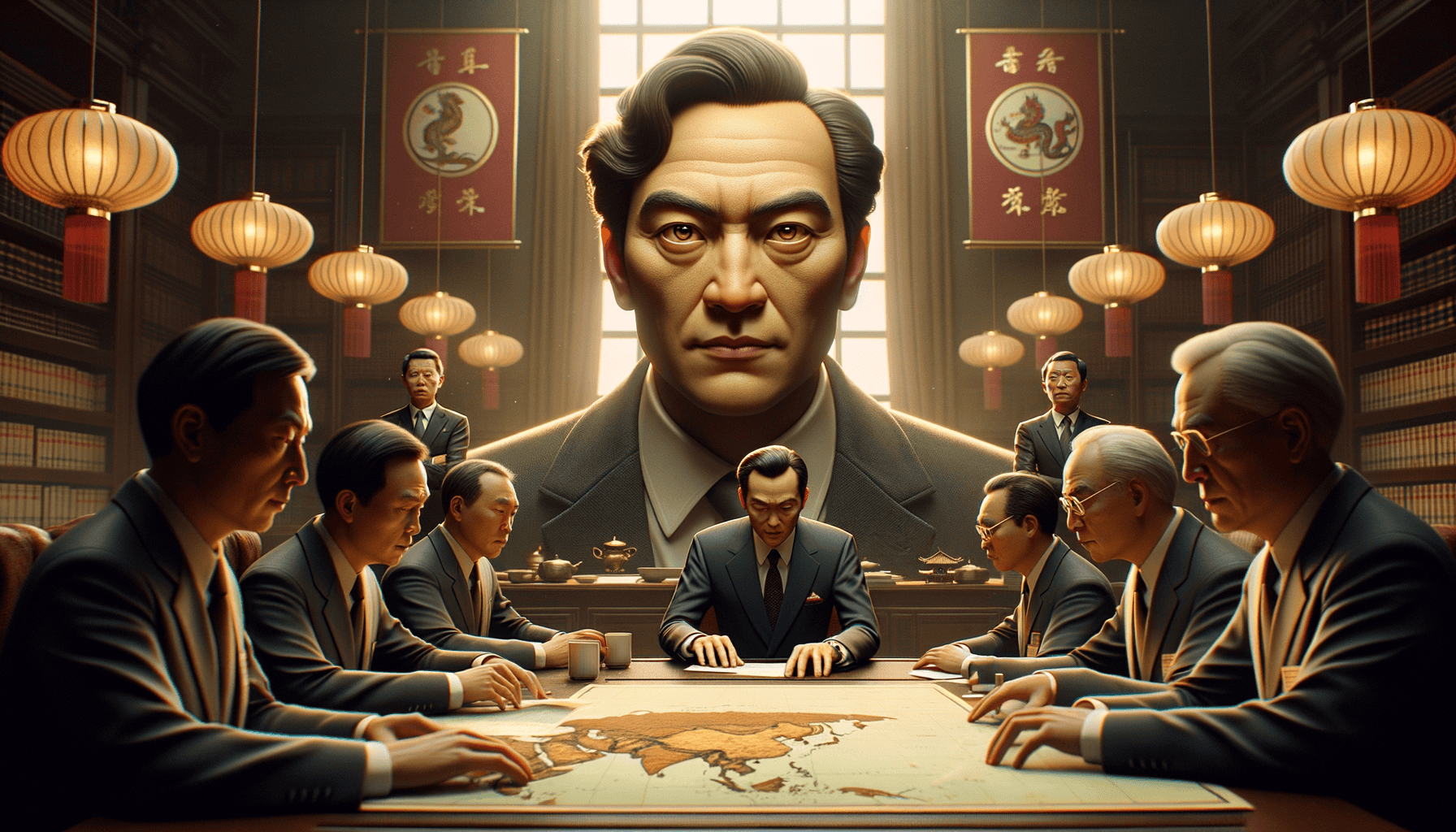
The Pakistani military aircraft banked sharply over the mountains, and Kissinger’s stomach lurched. Not from the turbulence – he’d long since grown accustomed to that – but from the weight of what lay ahead. Below, Beijing sprawled through the summer haze, a city frozen in time yet trembling on the edge of transformation.
“Remember,” he muttered to Winston Lord, “every word, every gesture will be analyzed. We’re not just meeting officials – we’re bridging worlds.”
First Steps in the Forbidden City
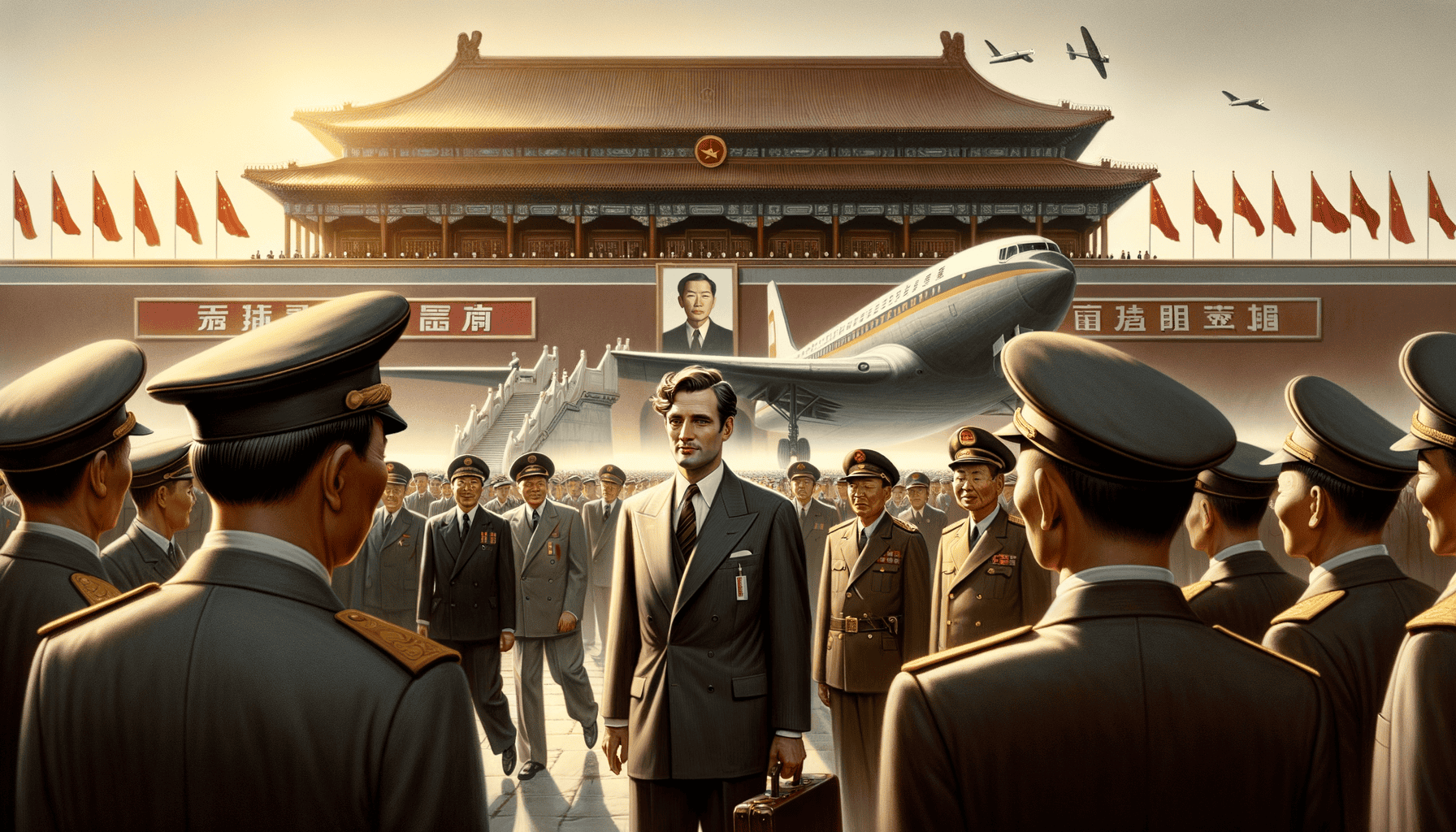
The reception committee awaited them with practiced stillness. Marshal Ye Jianying’s face betrayed nothing as he greeted them in careful English: “Welcome to the People’s Republic of China, Dr. Kissinger.”
The motorcade wound through streets cleared of ordinary citizens, past faded propaganda posters and buildings bearing the scars of the Cultural Revolution. Kissinger noted every detail, knowing Nixon would demand a complete briefing.
“City shows signs of recent upheaval. Guards everywhere, but population seems orderly, disciplined. Zhou has clearly prepared for our arrival with characteristic thoroughness.”
The Dance Begins
Premier Zhou Enlai received them in a chamber within the Great Hall of the People. Age had not diminished his legendary charm.
“Dr. Kissinger,” Zhou smiled, “you have traveled far to reach us. Both geographically and diplomatically.”
“Mr. Premier, sometimes the longest journeys begin with a simple acknowledgment of shared interests.”
The translation rippled through the room. Zhou’s eyes sparkled with appreciation for the diplomatic wordplay.
Cultural Crossroads
Their discussions ranged far beyond protocol. Over elaborate banquets and late-night talks, Kissinger found himself drawn into philosophical debates about history and power.
“Your Western thinking is linear,” Zhou observed one evening. “You see history as progress. We see it as cycles within cycles.”
Kissinger leaned forward. “Perhaps that’s why we’re here – to break the cycle of antagonism.”
The evening sessions proved most productive. As cigarette smoke curled toward ornate ceilings, barriers slowly dissolved.
The Shadow of Moscow
Back in Washington, Nixon paced the Oval Office, awaiting Kissinger’s coded messages:
“Host receptive to autumn visit. Suggests timing could pressure northern neighbor into more reasonable position on multiple fronts.”
The Soviet dimension loomed over every conversation. Both sides understood that this diplomatic pas de deux would reshape the global balance of power.
Private Doubts, Public Faces
In his private moments, Kissinger wrestled with the magnitude of what they were attempting. His diary entry that night revealed rare vulnerability:
“Playing with forces beyond any one person’s control. Zhou understands this – I see it in his eyes. We’re not just negotiating agreements, we’re unleashing changes that will echo for generations.”
The Chairman’s Shadow
Mao’s presence haunted every meeting, though he remained unseen. Zhou frequently consulted with the Chairman between sessions, returning with subtle shifts in position that Kissinger learned to read like weather patterns.
“The Chairman follows our progress with great interest,” Zhou mentioned casually. The unspoken message was clear: Mao approved, but reserved the right to change course.
Breakthrough at Dawn
The final agreement came as morning light crept across the city. Both sides had maneuvered through countless diplomatic feints to reach this moment.
“We will welcome President Nixon,” Zhou announced formally. “The Chinese people are prepared to turn a new page.”
Kissinger allowed himself a brief moment of triumph before the weight of implementation settled on his shoulders. The real work was just beginning.
As their aircraft lifted off from Beijing, Winston Lord studied his boss’s expression. “You look troubled, Henry.”
“Troubled? No.” Kissinger gazed at the receding city. “But we’ve just committed to changing the world. Now we have to deliver.”
Crossing the Forbidden Threshold
The Air Force One touched down at Beijing Capital Airport on a crisp February morning in 1972. Through the window, Nixon watched the honor guard assembling on the tarmac, their rigid formations a stark contrast to the fluttering red flags.
“This is the week that changed the world,” Nixon whispered, rehearsing the phrase he’d crafted for posterity. Beside him, Pat Nixon smoothed her red coat – a carefully chosen color of prosperity in Chinese culture.
The Handshake
Premier Zhou Enlai stood at the bottom of the aircraft stairs, his face impassive. As Nixon descended, Kissinger held his breath. This moment – the handshake between Zhou and Nixon – would either validate months of secret diplomacy or unravel everything in seconds.
The simple act of Zhou extending his hand to Nixon reversed Truman’s snub of Zhou at the Geneva Convention in 1954 – a slight the Chinese had never forgotten.
“Welcome to China, Mr. President,” Zhou said in measured English.
“Premier Zhou, we come in peace for all mankind.” Nixon’s voice carried across the tarmac, where hundreds of cameras captured every gesture.
Behind the Curtain
In the Great Hall of the People, Kissinger watched the carefully choreographed reception unfold. He caught Zhou’s eye briefly, sharing a moment of understanding. They had orchestrated this dance together, but now the principals would take center stage.
That evening, during the welcoming banquet, Nixon leaned toward Kissinger: “Where’s Mao? Will he receive us?”
“Patience, Mr. President. The Chairman plays by his own rules.”
The Chairman’s Gambit
The summons came without warning. “The Chairman will receive President Nixon now.”
Mao’s sudden invitation upended the careful scheduling, demonstrating his power to command even foreign leaders at will.
In Mao’s study, the air heavy with cigarette smoke, history pivoted. The Chairman, physically diminished but intellectually sharp, dispensed with diplomatic niceties.
“You are an interesting man, Mr. President,” Mao said through his interpreter. “I have read your writings.”
Nixon straightened, caught off guard by the personal observation. “And I have studied your thoughts on revolution, Mr. Chairman.”
Public Theater, Private Doubt
Later that night, Nixon paced his guest quarters, dictating into his ever-present tape recorder:
“Met with Mao today. Bigger than life… but what’s his game? Zhou handles the details, but Mao… Mao sees something beyond the immediate diplomatic circus. Must figure out what…”
The World Watches
American journalists, allowed into China for the first time in decades, broadcast every carefully staged moment. At the Great Wall, Nixon’s philosophical proclamation – “This is a great wall and it had to be built by great people” – echoed across global airwaves.
Meanwhile, in Moscow, the Soviets monitored every development with increasing alarm. Their worst fear was materializing: a Sino-American alignment that could reshape Cold War dynamics.
Cultural Contradictions
Pat Nixon’s scheduled visits to communes, factories, and schools provided glimpses of real Chinese life that penetrated the diplomatic bubble. At the Summer Palace, she paused before an ancient pavilion.
“Beautiful,” she murmured.
“Yes,” her Chinese guide replied carefully, “though during the Cultural Revolution, such beauty was considered decadent.”
The Weight of History
In private moments between negotiations, Kissinger observed Nixon’s growing awareness of the visit’s historical magnitude. The president’s normal political calculations seemed to fall away, replaced by a broader vision.
“We’re not just changing foreign policy,” Nixon told him during a late-night strategy session. “We’re changing the goddamn world order, Henry.”
Kissinger nodded, but his thoughts were already racing ahead to the complex negotiations that would begin tomorrow. The symbolism had been perfect – now came the hard part of translating gestures into concrete agreements.
As Beijing’s lights twinkled below their window, the two men contemplated the delicate balance they were attempting: maintaining America’s global position while opening the door to its most significant ideological opponent. The real challenge was just beginning.
Conversations Beyond Ideology
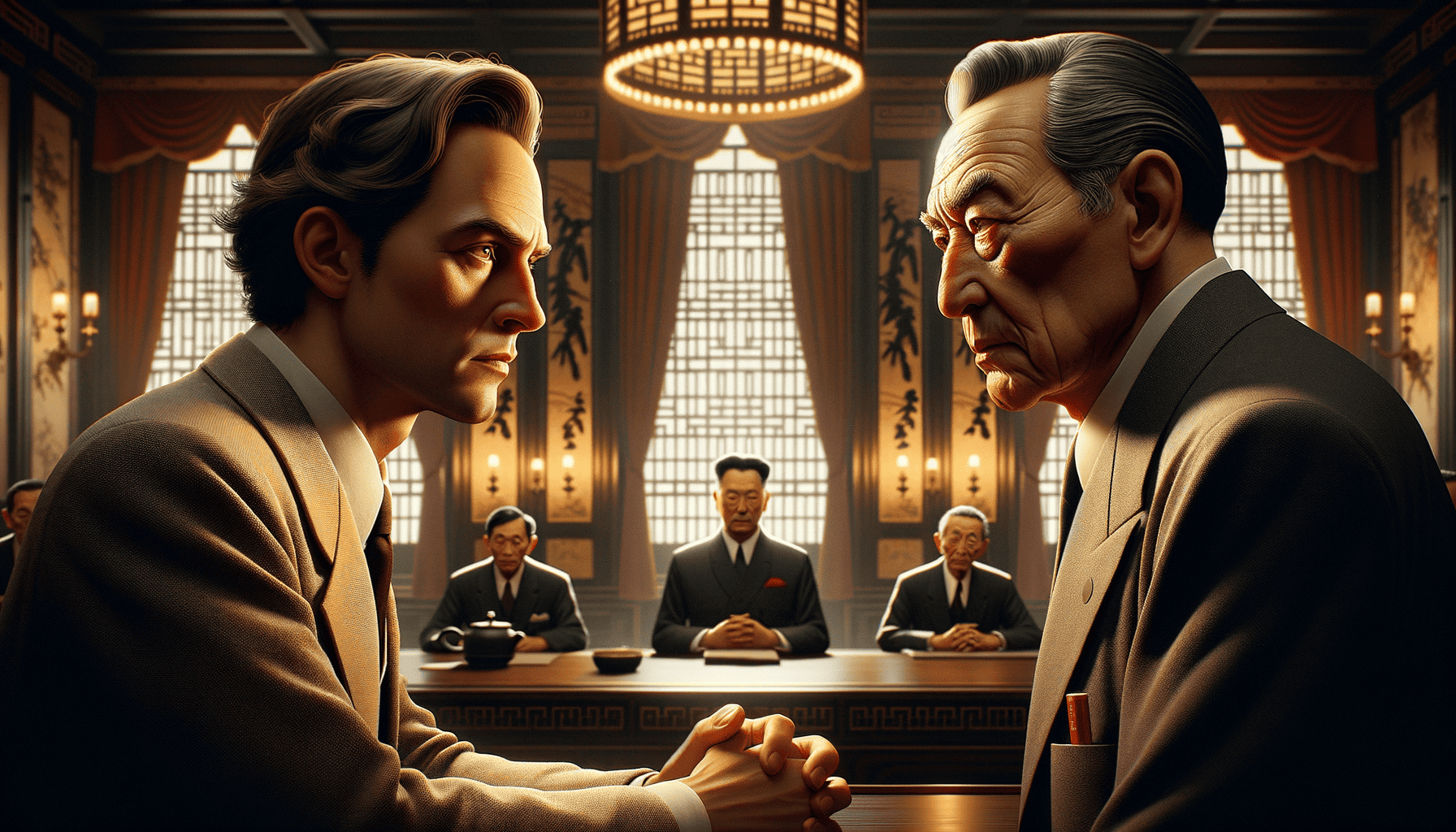
The jade-colored room in the Great Hall of the People hummed with tension as Kissinger watched Nixon lean forward, fingers steepled beneath his chin. Across the ornate table, Zhou Enlai’s penetrating gaze never wavered.
“Let us speak frankly,” Zhou said, his voice carrying the weight of decades. “The Taiwan question cannot be avoided forever.”
Dancing Around Dragons
Kissinger felt his pulse quicken. This was the moment he’d prepared for – where diplomatic artistry would either soar or crash against ideological walls.
The Taiwan issue represented the most delicate balance – maintaining U.S. commitments while opening the door to mainland China.
“Premier Zhou,” Nixon replied, measuring each word, “we acknowledge there is but one China. History will determine the rest.”
A slight nod from Zhou – appreciation for the diplomatic sleight of hand that acknowledged without promising.
The Chairman’s Garden
Later that afternoon, Mao received them in his private garden. The setting was intimate, far from the formal negotiating tables.
“You Americans,” Mao mused, watching a koi fish circle in his pond, “always in such a hurry. We Chinese think in centuries.”
Nixon smiled, recognizing the subtle challenge. “Perhaps, Mr. Chairman, we can find a pace that suits us both.”
Private Revelations
Away from official transcripts, leaders revealed personal philosophies that shaped their diplomatic positions.
In a quiet moment, Zhou confided to Kissinger: “Your president speaks of peace. But does he understand that peace requires more than absence of war?”
Kissinger considered his response carefully. “He understands that peace requires building bridges between different worlds.”
The Weight of Words
As negotiations intensified, every phrase became a diplomatic minefield. Teams of translators labored over each nuance, knowing history hung on their interpretations.
“The subtlety of Chinese diplomatic language,” Kissinger noted in his evening diary, “makes our Western directness seem almost crude by comparison.”
Breaking Through
The breakthrough came during a late-night session. Zhou, loosening his collar slightly, spoke of his youth studying in France. Nixon, seizing the personal opening, shared his own transformative experiences in the Pacific during World War II.
“We have both seen enough of war,” Zhou said softly.
“To last several lifetimes,” Nixon agreed.
Cultural Bridges
Pat Nixon’s ongoing tours of China continued providing crucial background texture to the high-level talks. Her genuine interest in Chinese culture hadn’t gone unnoticed by their hosts.
Madame Mao, watching a performance of her revolutionary ballet, leaned toward Pat. “Art speaks when diplomats must remain silent.”
The Shanghai Communiqué Takes Shape
As the visit neared its end, Kissinger and Zhou worked through the nights, crafting the document that would define this new relationship. Each paragraph required delicate balancing of competing interests and face-saving formulations.
The Shanghai Communiqué would become a masterpiece of diplomatic ambiguity, allowing both sides to move forward while maintaining their core positions.
Personal Costs
The strain began showing on all participants. Nixon’s hands shook slightly as he reviewed draft after draft. Zhou’s cigarette consumption doubled. Kissinger barely slept, his mind racing with implications and possibilities.
“History will judge us,” Zhou remarked during one dawn session.
“History is what we make it,” Kissinger replied, though uncertainty flickered in his eyes.
Moments of Truth
In the final hours before the communiqué’s release, Nixon paced his quarters, dictating last-minute thoughts:
“We’re walking a tightrope here. Too much change frightens our allies, too little disappoints our hosts. The perfect balance might be impossible, but we must find it anyway.”
As dawn broke over Beijing, Kissinger stood at his window, watching the city stir to life. The weight of what they were attempting – bridging centuries of division, reshaping global power dynamics – felt almost overwhelming. Yet in the morning light, anything seemed possible.
The New World Order Emerges
The Air Force One engines hummed steadily as Kissinger gazed through the window at the receding lights of Beijing. His mind raced with the magnitude of what they’d achieved – and what lay ahead.
“We’ve changed the world,” Nixon murmured, more to himself than anyone else. “For better or worse, we’ve changed everything.”
The Immediate Aftermath
The global reaction was immediate and seismic. Headlines around the world proclaimed the diplomatic earthquake: “Nixon in China: The Week That Changed The World” blazed across the New York Times.
Markets surged, diplomatic channels buzzed, and intelligence agencies worldwide scrambled to recalibrate their assessments.
In Moscow, Kissinger knew, the Soviets were watching with barely concealed anxiety. The strategic triangle he’d envisioned was taking shape.
Personal Transformations
Back in Washington, Kissinger found himself changed by the experience. The theoretical had become deeply personal.
“Henry,” Nancy said one evening, studying his distant expression, “you haven’t been the same since Beijing.”
“None of us have,” he replied, thinking of Zhou’s penetrating insights and Mao’s cryptic wisdom.
The Price of History
Nixon’s triumph was tempered by growing domestic challenges. The Watergate shadow was lengthening, though few yet recognized its significance.
Even as Nixon reshaped global politics, the foundations of his presidency were beginning to crack.
“The China opening might be my greatest achievement,” Nixon confided to Kissinger during a late-night call. “But will anyone remember it that way?”
Zhou’s Legacy
In Beijing, Zhou Enlai continued his quiet battle with cancer, determined to see through the transformation he’d helped initiate. His letter to Kissinger arrived unexpectedly:
“We have planted seeds that will grow beyond our lifetimes. May future generations tend them wisely.”
The Economic Dawn
American businesses, sensing opportunity, began exploring Chinese markets. Kissinger watched with mixed emotions as commercial interests rushed in where diplomats had carefully tread.
“Did we envision this?” he wondered aloud during a Council on Foreign Relations meeting. “A China transformed not by ideology but by commerce?”
Cultural Reverberations
The impact rippled through American society. Chinese restaurants added Peking duck to their menus. Universities established China studies programs. A generation of students began learning Mandarin.
The Long View
Years later, Kissinger would reflect on those pivotal days in his memoirs:
“We thought we were merely opening diplomatic relations. In reality, we were unleashing forces that would transform both societies in ways none of us could have predicted.”
Legacy and Questions
As the decade progressed, the full implications of the China opening became clearer. Trade grew, cultural exchanges multiplied, but fundamental differences remained.
The relationship established in 1972 would define global politics for generations to come.
The Final Analysis
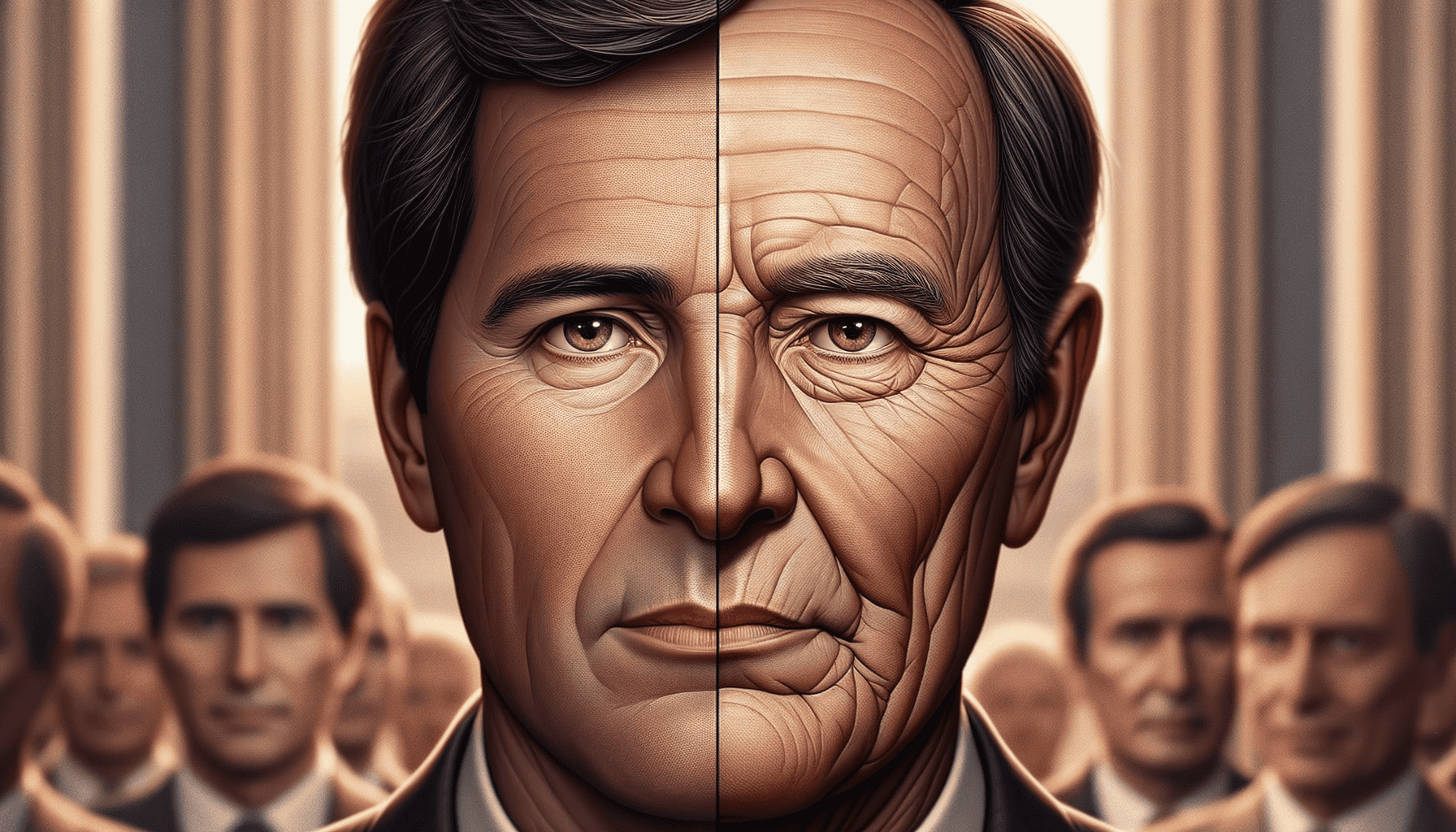
Late one evening, decades after that historic week, an aged Kissinger stood at his office window, watching city lights twinkle like stars. The world had changed beyond recognition, yet the fundamental questions remained:
How do nations bridge seemingly unbridgeable divides? Can ideological enemies become partners? What price do we pay for transformative change?
The answers, he knew, were still unfolding. In the end, perhaps Zhou had been right – the Chinese did think in centuries. The true impact of their diplomatic gambit would only be clear to future generations.
As night fell over Washington, somewhere in Beijing dawn was breaking. The cycle continued, the relationship evolved, and history marched forward, forever changed by those fateful days when two worlds finally met.
In his desk drawer, Kissinger kept a small jade piece given to him by Zhou. Its smooth surface, worn by countless touches, reminded him of diplomatic art’s eternal truth: the most lasting changes often come not through force, but through patience, wisdom, and the courage to imagine a different future.