

The Calling of the Cold
❄️ The wind howled like a thousand wolves as Captain James Cook's ship crashed through the icy waves. It was 1773, and he was one of the first people to sail close to Antarctica. The air was so cold it made his nose hurt!
"There must be something special down here," Captain Cook wrote in his diary. He drew pictures of strange ice mountains floating in the sea. These weren't normal mountains – they were icebergs as tall as skyscrapers! ️
“I can say with truth that no man will ever venture further than I have done,” Captain Cook declared. But he was wrong! Many brave explorers would follow his path.
One of these brave explorers was Roald Amundsen. He came from Norway, where people were used to snow and ice. But even Roald wasn't ready for what he found in Antarctica!
"The cold bites like sharp teeth," Roald wrote. "But the beauty of this white desert makes it worth it." He and his team had to wear lots of warm clothes:
• Thick fur coats
• Special boots made from reindeer skin
• Warm mittens
• Face masks to protect from the wind
The Mystery of the White Continent
People called Antarctica the "Last Continent" because it was the last place on Earth that humans explored. It was like a giant puzzle that nobody could solve!
Roald and other explorers saw amazing things in Antarctica:
- Penguins waddling on the ice like tiny people in tuxedos
- Seals sunbathing on floating ice
- Giant whales jumping out of the freezing water
- Mountains covered in snow that had never melted
A Special Kind of Courage
These early explorers were like superheroes! They didn't have fancy equipment like we have today. No phones, no GPS, no special heating systems. They had to be really brave and smart to survive.
"We must be careful," Roald would tell his team. "The ice is always moving, always changing. We must respect it."
The explorers learned to build special snow houses called igloos. They learned which way the wind usually blew. They watched the stars to find their way. Most importantly, they learned to work together as a team.
Every night, the explorers would write in their diaries about what they saw. They drew maps and pictures. They collected samples of rocks and ice. They were like detectives trying to solve the mystery of Antarctica!
Sometimes they made mistakes. Sometimes they got lost. But they never gave up! Their curiosity was stronger than their fear. They wanted to know what was hiding under all that ice and snow.
As the sun set over the endless white landscape, casting pink and orange colors across the snow, these brave explorers knew they were part of something special. They were opening up a whole new world for people to study and explore! ✨
Shackleton’s Great Escape
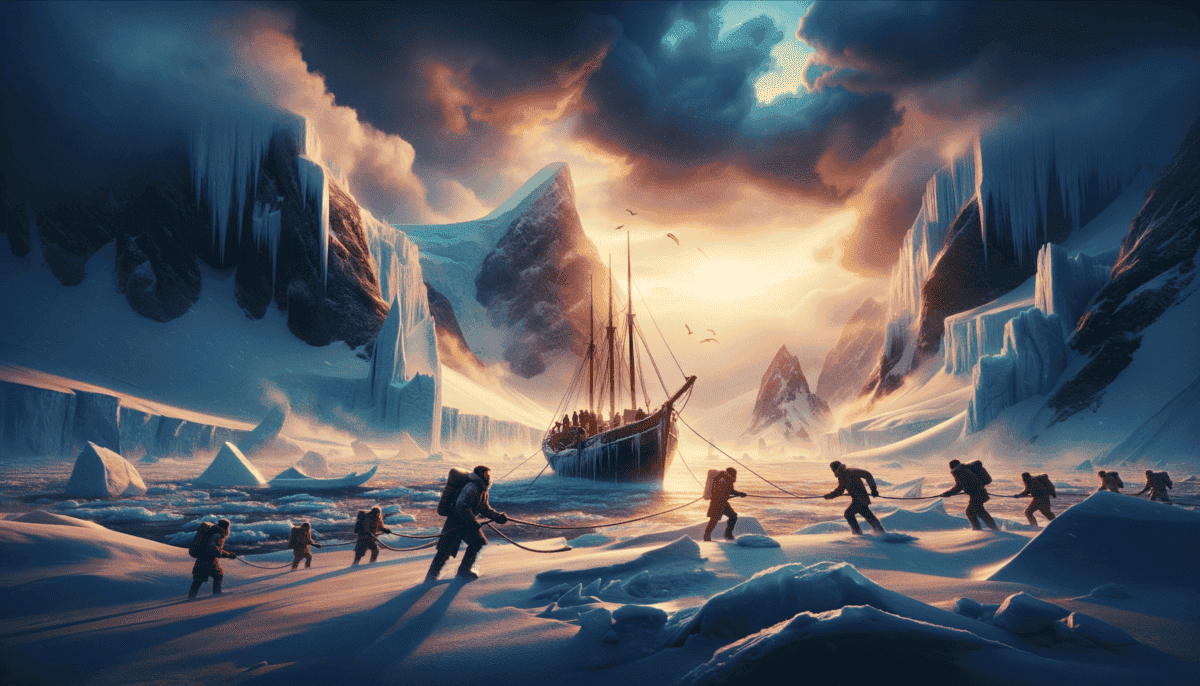
❄️ The mighty ship Endurance creaked and groaned as ice squeezed it tight. Ernest Shackleton stood on the deck, watching his dreams crack like the ice around him. It was 1915, and he was stuck in Antarctica with 27 brave crew members.
“We may be down, but we’re not out,” Shackleton told his men. “As long as we stick together, we can do anything!” His crew nodded, even though they were very scared.
Living on the Ice
When their ship sank, Shackleton and his crew had to live on the ice! They built homes from their small boats turned upside down. They had to be very careful with their food. Every bite was precious!
“Men wanted for hazardous journey. Small wages, bitter cold, long months of complete darkness, constant danger, safe return doubtful. Honor and recognition in case of success.” – Shackleton’s famous advertisement
The men faced many scary things:
- Hungry seals that wanted to eat their food
- Giant waves that tried to tip their boats
- Ice that could crack under their feet
- Freezing winds that felt like sharp knives
The Great Boat Journey
After months on the ice, Shackleton knew they had to try something brave. He picked five men to sail with him in a tiny boat called the James Caird. They had to cross 800 miles of the roughest ocean in the world!
“Keep singing, lads!” Shackleton would say when the waves got scary. “A happy heart helps fight the cold!” The men sang songs and told stories to stay brave.
The Rescue Mission
After 16 days of sailing, they finally reached South Georgia Island. But they weren’t done yet! Shackleton and two others had to climb over snowy mountains to find help. They hadn’t slept in a real bed for months! ️
They walked for 36 hours straight. Their feet hurt. They were super tired. But they didn’t give up! Finally, they found people who could help them.
The story of Shackleton and his crew teaches us important things:
• Never give up, even when things look really bad
• Work together as a team
• Take care of your friends
• Stay positive, even in hard times
A Hero’s Welcome
When they finally got home, everyone called Shackleton and his crew heroes. They had survived one of the greatest adventures ever! Their story shows us that anything is possible if we’re brave and work together. ⭐
Frank Wild, Shackleton’s best friend, wrote: “For scientific leadership, give me Scott; for swift and efficient travel, Amundsen; but when you are in a hopeless situation, when there seems to be no way out, get on your knees and pray for Shackleton.”
The ice may have won the battle against their ship, but Shackleton and his crew won something much bigger – they showed the whole world what courage really means!
The Great Race to the South Pole
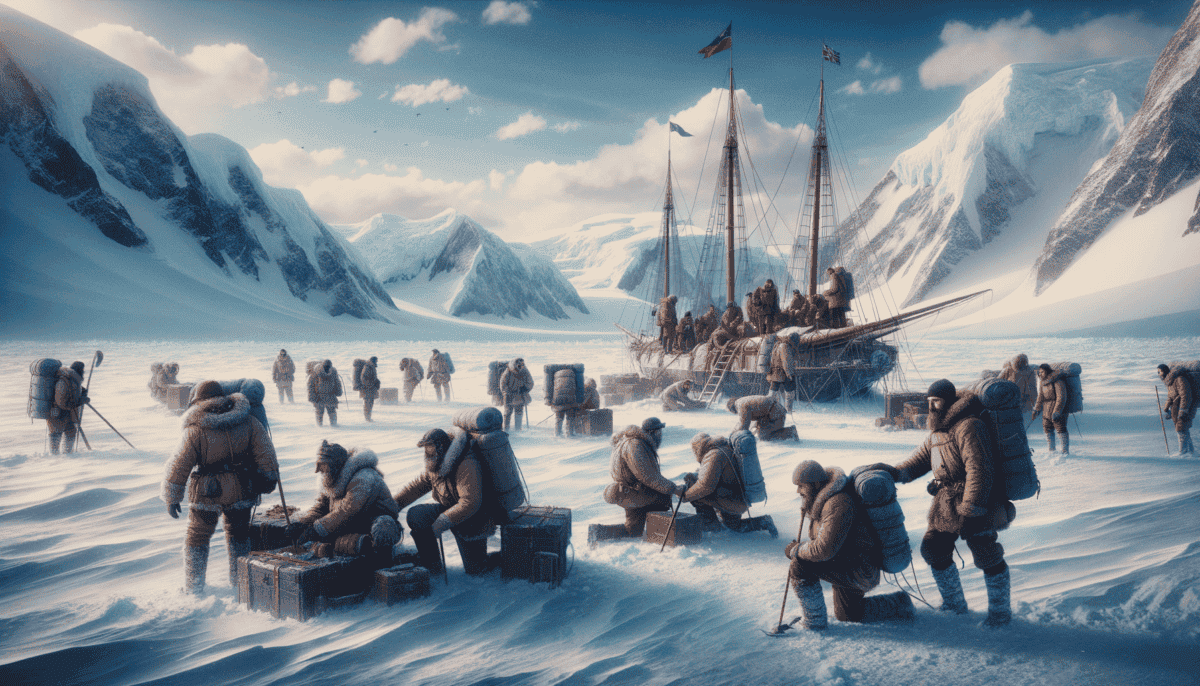
♂️ Two brave explorers looked at the same map of Antarctica. Both wanted the same thing – to be the first person ever to reach the South Pole! Their names were Roald Amundsen and Robert Scott.
Two Different Teams
Amundsen was from Norway, where people used skis and dogs to travel in the snow. Scott was from England, where they used horses and walked a lot. Both thought their way was best! ⛷️
“My dogs will run fast through the snow,” said Amundsen with a smile.
“My horses are strong and brave,” replied Scott, patting his ponies.
The Journey Begins
In October 1911, both teams started their race to the South Pole. The weather was very cold – colder than your freezer at home! ❄️
Here’s what each team brought:
- Amundsen: 52 dogs, warm fur clothes, skis
- Scott: 19 horses, motor sleds, cotton clothes
Tough Choices
Both teams faced big problems. The wind howled like angry wolves. The snow was deep and soft. Everyone was very tired.
Amundsen’s dogs were fast and strong. They pulled the sleds easily through the snow. His team wore warm fur clothes like the people who lived in the Arctic.
“Keep moving forward,” Amundsen would say. “The dogs know the way!”
Scott’s team had harder times. Their horses couldn’t handle the cold well. Their cotton clothes got wet and froze. The motor sleds broke down. ️
The First to Arrive
On December 14, 1911, Amundsen’s team reached the South Pole! They were so happy they danced in the snow. They left a tent and a note for Scott.
A Sad Return
Scott’s team reached the South Pole 34 days later. They were very sad to see Amundsen’s flag already there. The journey back was even harder. The weather got worse and worse. ⛈️
“We will keep trying,” Scott wrote in his diary. “We must be brave.”
Lessons Learned
The race to the South Pole taught us many things. It showed that it’s important to:
• Plan carefully
• Learn from people who know about snow and ice
• Bring the right tools and clothes
• Work together as a team
Today, many scientists live and work at the South Pole. They study the ice, the weather, and the stars. They use warm buildings and special vehicles to stay safe. But they still remember the brave explorers who raced across the ice so many years ago!
Secrets Under the Antarctic Ice
Deep beneath Antarctica’s snowy surface, scientists are making amazing discoveries! Let’s explore what they’re finding in this frozen wonderland.
A Special Laboratory
“Antarctica is like Earth’s biggest science lab!” says Dr. Maria Chen, who studies ice. She wears a bright red coat that helps other scientists see her in the snow. ❄️
Time Machine in Ice
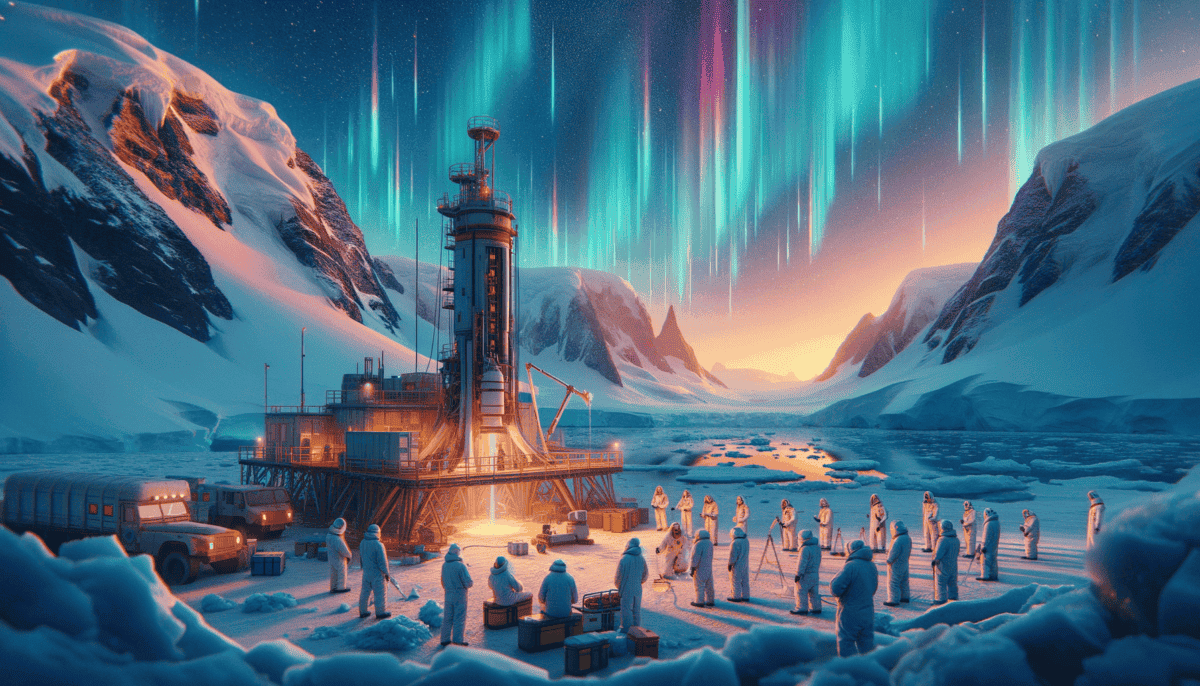
The ice in Antarctica is very special. It’s like a giant history book! Scientists drill deep holes in the ice to learn about Earth’s past.
“Each layer of ice tells us a story,” explains Dr. Chen. “We can see what the weather was like hundreds of years ago!”
Hidden Lakes and Mountains
Would you believe there are lakes under all that ice? Scientists use special tools that can see through the ice. They found over 400 lakes hiding underneath!
“It’s like finding treasure,” says Dr. Tom Baker, who studies these hidden lakes. “But instead of gold, we find water and tiny life forms!”
Here are some amazing things scientists have found:
- Mountains as tall as skyscrapers
- Lakes bigger than some cities
- Tiny animals that live in super cold water
- Rocks from space called meteorites
Weather Watchers
Scientists in Antarctica are like weather detectives. They study how Earth’s climate is changing. ️
“The ice here helps us understand what’s happening to our whole planet,” says Dr. Chen. She points to her computer screen showing ice patterns.
Living in the Cold
Scientists stay in special buildings called research stations. These buildings are like tiny towns in the snow!
“It’s like camping, but with computers and warm beds,” laughs Dr. Baker. “We even have a chef who cooks for us!”
Penguin Partners
Scientists also study the animals that live in Antarctica. Penguins are their special helpers!
“Penguins tell us a lot about the ocean’s health,” explains Dr. Sarah Jones, who watches penguin families. “When penguins are happy and healthy, we know the ocean is doing well too!”
New Tools for Discovery
Today’s scientists use lots of cool tools to study Antarctica:
• Special robots that swim under ice
• Satellites that take pictures from space
• Strong drills that can go deep into ice
• Computers that help understand all the information
Dr. Chen shows a small robot that looks like a submarine. “This little helper can go places too cold for people!” she explains.
Every day, scientists learn new things about Antarctica. Their discoveries help us understand our Earth better and better! ⭐
Protecting the Frozen World
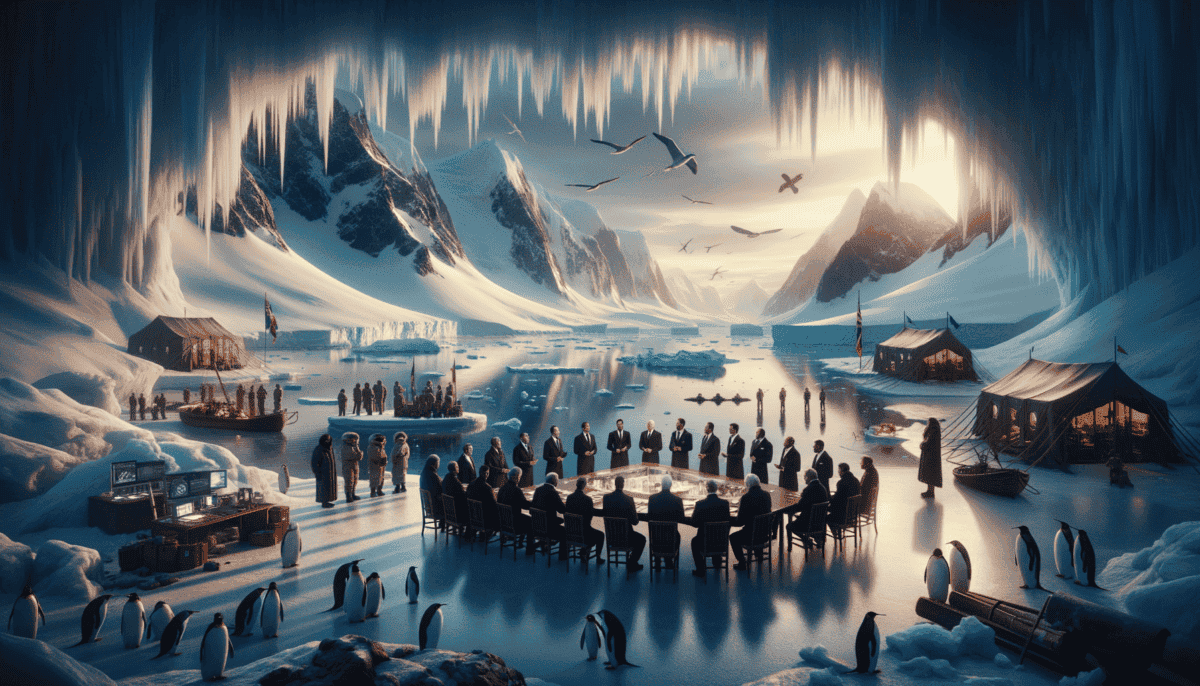
Way down at the bottom of Earth, Antarctica needs our help! Let’s learn how people work together to keep this special place safe.
A Special Agreement
“Antarctica doesn’t belong to just one country,” says Ms. Sarah Wilson, who helps protect Antarctica. “It belongs to everyone on Earth!” ⭐
Rules for the Ice
Just like a playground has rules to keep everyone safe, Antarctica has special rules too!
“We have to be very careful here,” explains Mr. Tom Green, a park ranger for Antarctica. “Everything we bring in, we must take back out – even our trash!”
Helping the Animals
Antarctica’s animals need special protection. Scientists watch over them like guardians!
“We make sure nobody bothers the penguins,” says Dr. Lisa Park, an animal doctor. “We also protect seals, whales, and sea birds.”
• Stay far from animal homes
• Don’t feed the animals
• Be quiet near them
• Take pictures from safe distances
Fighting Climate Change
The biggest challenge Antarctica faces is warming temperatures. The ice is melting faster than before! ❄️
“When ice melts here, it affects the whole world,” warns Dr. James Lee. “It’s like when you leave ice cream out – it gets smaller and smaller.”
Clean-Up Helpers
Special teams work hard to keep Antarctica clean. They’re like superheroes for the environment! ♀️
“We clean up old buildings and trash left by past visitors,” says Ms. Wilson. “We want Antarctica to stay beautiful and pure.”
Teaching Others
Scientists and guards teach people about protecting Antarctica. They’re like teachers for the whole world!
“When people learn about Antarctica, they want to help protect it,” smiles Dr. Park. “Everyone can be a guardian of this special place.”
Working Together
People from different countries work as a team to keep Antarctica safe. It’s like a big global family!
“We share ideas and help each other,” explains Mr. Green. “That’s how we solve big problems – by working together!”
Every day, these brave guardians work hard to protect Antarctica. They make sure this amazing place stays beautiful for future explorers and scientists! ✨
Dreams of Tomorrow
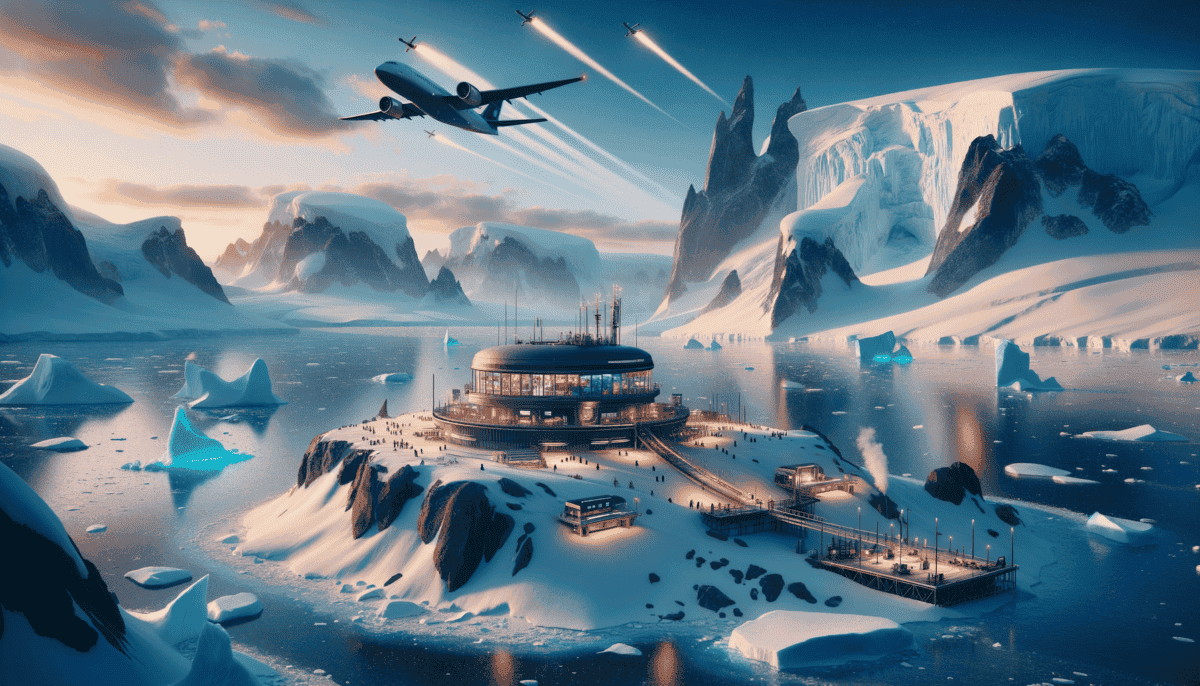
The future of Antarctica shines bright like stars in the night sky! Let’s see what exciting things await in this magical land of ice.
Super Cool Science Tools
“We have robots that swim under the ice!” says Dr. Maria Chen, showing off a shiny underwater robot. “They help us learn about things we can’t see.”
Space-Age Research
Special satellites high in space watch over Antarctica every day. They’re like guardian angels with cameras!
“These satellites help us see how the ice is changing,” explains Dr. Chen. “They’re like taking pictures of a giant ice puzzle from way up high.”
New Ways to Study Climate
Scientists are getting better at understanding how Antarctica affects weather around the world. ⛈️
• Flying special airplanes over the ice
• Drilling deep into ancient ice
• Using smart computers to predict changes
• Working with friendly robots
Helping Antarctica Stay Cool
“We’re finding new ways to protect the ice,” says Dr. Alex Thompson. “Like using clean energy from the sun and wind to power our stations.” ☀️
Scientists are also teaching penguins to not be scared of their research tools. It’s like making friends with the locals!
Working Together for Tomorrow
More countries are joining hands to help Antarctica. They share their best ideas and work as one big team.
A Special Message
Antarctica teaches us something important: when we work together and care for our Earth, amazing things happen! ❄️
“Every person can help protect Antarctica,” smiles Dr. Chen. “Even if you’re far away, the choices you make matter.”
The Story Continues
From the brave explorers who first walked on its ice to the smart scientists of today, Antarctica’s story keeps getting better.
As we say goodbye to our frozen friend Antarctica, remember that every small step to protect our Earth helps keep this magical place safe for tomorrow. Together, we can make sure Antarctica’s beauty lasts forever! ✨